


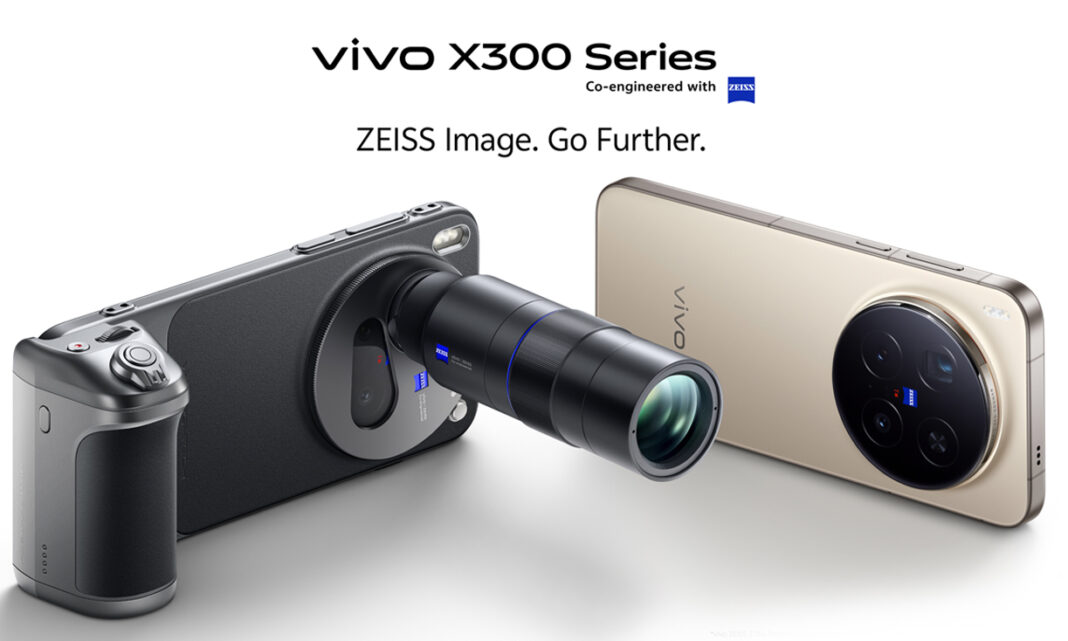
Every frame in Vivo’s new “wild photography experience” campaign was shot on the upcoming X300 Series flagship, highlighting its powerful imaging capabilities ahead of its 2 December 2025 launch. The visuals hint at major advances in sensor performance, computational photography, and real-world clarity, positioning the device as a new benchmark in mobile imaging.
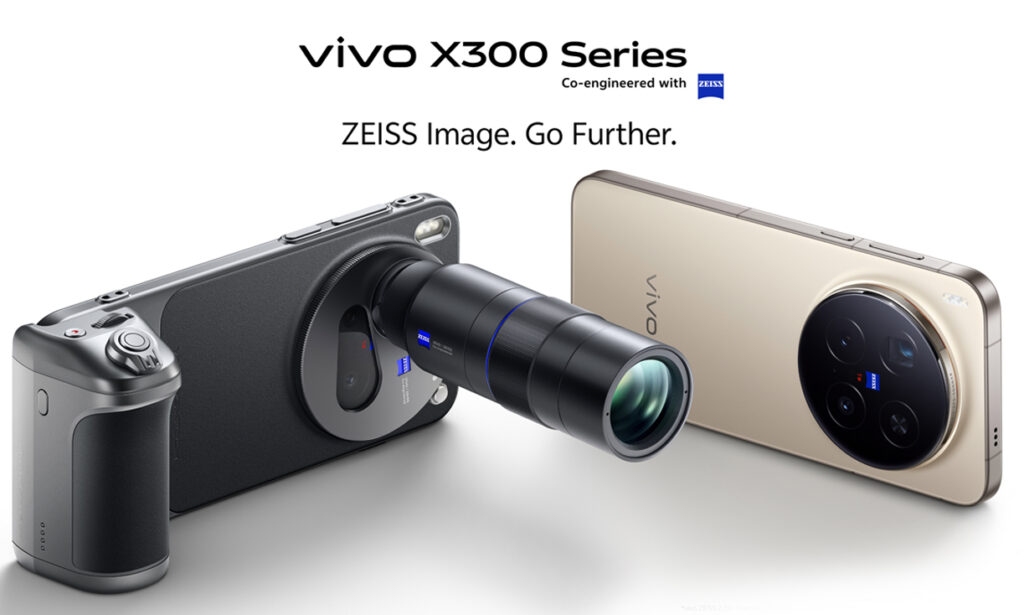
Vivo is preparing to usher in a bold new chapter of mobile photography, and the anticipation surrounding its upcoming flagship, the Vivo X300 Series, is already pulsing through the tech community. Set to launch on 2 December 2025, the device has begun generating excitement not through leaks or speculative chatter, but through something far more compelling—its real-world performance. Vivo has released an early glimpse of what the X300 Series is capable of, showcasing an entire set of visuals captured exclusively on the device itself. Each frame, wild and immersive, offers a preview of a smartphone camera designed not just to document the world, but to interpret it with unprecedented clarity and artistry.
At a time when mobile photography has evolved into one of the most competitive arenas in consumer technology, Vivo is positioning the X300 Series as a device that can push boundaries once considered unattainable on a smartphone. The brand has long been associated with innovations in optical engineering, sensor technology, and computational imaging. Its X-series flagships, in particular, have repeatedly established new benchmarks for low-light photography, stabilization, portrait rendering, and periscope zoom. But with the X300 Series, Vivo appears ready to challenge even those past milestones, using this pre-launch campaign to signal how far it has taken its imaging ambitions.
The showcased visuals, described as frames from a “wild photography experience,” carry the aesthetic of a device built to handle unpredictability—rapid movement, complex lighting environments, and intricate textures. While Vivo has not yet disclosed the full hardware specifications, the photographic samples suggest a system deeply tuned for dynamic range, sharpness, and color accuracy. Shadows retain detail without crushing, highlights appear controlled even in harsh conditions, and subjects remain crisp in situations where motion would typically blur into noise. These are not mere enhancements; they hint at a leap in sensor performance and algorithmic precision.
The company’s strategic choice to promote the device through authentic camera output rather than polished studio content signals a shift in how smartphone brands communicate technological progress. Instead of telling users how good a camera is, Vivo is showing them. The frames are being positioned as proof points of a device confident enough to let its results speak before the product even launches. In the current smartphone landscape—crowded with computational tricks, AI enhancements, and marketing claims—this honesty is refreshing and impactful.
For photography enthusiasts, creators, and tech watchers, the campaign invites questions about what might be powering such capability. Vivo’s close partnership with optical specialists and its consistent investment in custom camera modules is well known. The X300 Series likely continues this tradition, incorporating advanced lens coating, larger sensors, or multi-frame fusion techniques refined for the unpredictable patterns of nature and action photography. The phrase “wild photography experience” may also hint at improvements in telephoto capability, suggesting that Vivo is pushing further into capturing distant subjects with stability and accuracy.
Beyond the camera hardware, the X300 Series is expected to incorporate significant advancements in processing and AI, enabling more intuitive shooting experiences. As computational photography becomes increasingly central to smartphone imaging, the device will likely feature real-time scene detection, enhanced noise reduction, richer color science, and improved HDR processing. The samples already shared imply that Vivo’s algorithms now better understand the nuances of natural lighting, enabling a rendering style that feels organic rather than artificially brightened. This marks an important shift away from the oversaturated aesthetic that once defined mobile photography and moves closer to what professional cameras deliver.
The timing of the launch—early December—also situates the X300 Series in a competitive year-end tech cycle, where brands typically unveil their flagship announcements or tease innovations ahead of the new year. Vivo’s decision to anchor its messaging around photography before revealing the full feature set is strategic. It emphasizes the brand’s strongest pillar at a moment when consumers increasingly evaluate smartphones based on their camera capabilities. Whether for social sharing, content creation, or purely personal documentation, the smartphone camera has become the primary lens through which people experience and record their world. Vivo aims to ensure that the lens is sharper, brighter, and more capable than ever.
The brand’s official launch page reinforces the message with a sleek, immersive experience directing users to explore the upcoming device. It positions the X300 Series not simply as a phone launch but as an event, inviting early interest and establishing a sense of participation. By giving audiences a taste of the output before unveiling the specifications, Vivo primes expectation for a flagship that stands firmly on creative performance. For many prospective buyers, the question becomes less about what features the phone has and more about what they can do with it.
The pre-launch campaign also underscores the growing importance of authenticity in technology storytelling. Companies can no longer rely on superlatives; users want transparency about real-world performance. With the X300 Series, Vivo seems to be embracing this shift by allowing users to evaluate raw photographic capability before the device even hits the market. This approach builds trust and sets the stage for a launch where the hardware and software specifics will only strengthen the impressions already formed.
From a broader market perspective, the X300 Series will likely stand as one of the defining smartphone releases of late 2025. As brands increasingly blend photography, AI, and creative tools into unified experiences, Vivo’s direction becomes clear: its flagship devices are no longer just communication tools but creative instruments. With creators relying on mobile devices for professional-quality films, photos, and reels, the X300 Series arrives in a moment when the blending of art and technology is more relevant than ever.
The early visuals released do not simply preview a product—they preview a promise: that smartphone photography is stepping into a new era, one where the boundaries separating handheld devices from traditional cameras continue to narrow. The upcoming launch on 2 December 2025 is likely to reveal the full scope of Vivo’s advancements, from display technology and performance upgrades to imaging breakthroughs.
For now, the message is clear: every single frame captured in this wild, evocative campaign came straight from the upcoming Vivo X300 Series. No disclaimers, no footnotes, no technical qualifiers. It offers a rare kind of confidence from a smartphone maker—one that suggests the most exciting photography experiences of the coming year may already be in our pockets, just waiting for the official debut.
Discover more from Creative Brands
Subscribe to get the latest posts sent to your email.