

Pizza Hut Singapore has partnered with designer toy brand POP MART to launch a limited-edition Molly merchandise collection exclusive to the local market. Releasing on 15 December, the three bespoke designs will be available only via Pizza Hut’s website and app, with no retail or POP MART store distribution.
Pizza Hut Singapore is venturing beyond the familiar territory of pizzas and pasta to tap into the fast-growing world of designer toys, announcing a limited-edition collaboration with global collectable brand POP MART. Launching on 15 December, the partnership brings three exclusive Molly designs to the local market, marking a strategic crossover between quick-service dining and contemporary pop culture that reflects shifting consumer tastes, particularly among younger urban audiences.
The collaboration is notable not just for its novelty, but also for its deliberate exclusivity. The Molly merchandise will be available only through Pizza Hut Singapore’s website and mobile app, with no retail release and no distribution through POP MART’s own stores or channels. This digital-only approach places the food brand squarely in control of the consumer journey, reinforcing its owned platforms while creating a sense of scarcity that has become a hallmark of designer toy culture.
At the centre of the partnership is Molly, POP MART’s signature character and one of the most recognisable figures in the global art toy movement. Created by Hong Kong-based illustrator Kenny Wong, Molly is known for her signature pout, expressive eyes and ability to embody diverse moods, professions and lifestyles through themed designs. Over the years, she has evolved from a niche collectable into a pop icon, with strong appeal across Asia and a particularly devoted following in Singapore.
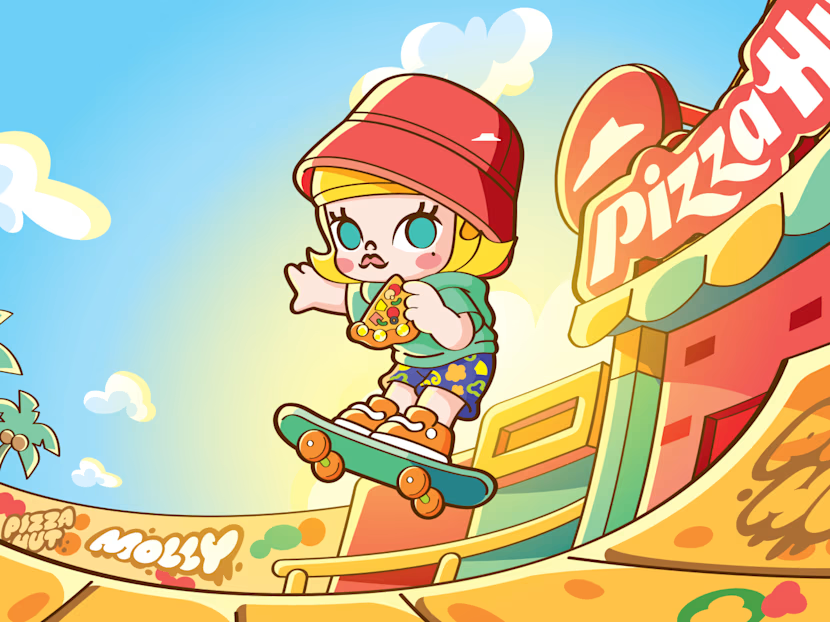
For the Pizza Hut collaboration, three original Molly figures have been designed exclusively for the brand, each reflecting a distinct personality while subtly tying back to lifestyle and entertainment themes. Tropical Molly channels a laid-back, island-inspired aesthetic, evoking leisure, holidays and escapism. Skater Molly brings youthful energy and street culture into focus, aligning with urban creativity and motion. DJ Molly completes the trio with a nightlife-inspired persona that nods to music, self-expression and contemporary cool. None of the designs replicate existing Molly releases, underscoring the bespoke nature of the partnership.
The timing of the launch, set just ahead of the year-end festive season, suggests a dual objective: driving incremental demand during a competitive retail period while positioning Pizza Hut as a brand that understands and participates in broader cultural conversations. As food and beverage companies increasingly compete for attention in a crowded digital landscape, collaborations with lifestyle and pop culture brands have become an important way to stay relevant beyond the core product offering.
For Pizza Hut Singapore, the initiative represents a continuation of its efforts to evolve from a traditional dine-in and delivery chain into a modern, digitally savvy brand with cultural relevance. By choosing POP MART, a label that commands both credibility and desirability in the designer toy space, Pizza Hut aligns itself with a community that values collectibility, storytelling and visual identity as much as utility.
The decision to restrict availability exclusively to Pizza Hut’s website and app is also significant. It reinforces the brand’s digital ecosystem at a time when food delivery platforms are increasingly intermediating customer relationships. By incentivising app downloads and direct orders through exclusive merchandise, Pizza Hut strengthens customer data, loyalty and repeat engagement, turning a one-time novelty into a longer-term strategic asset.
For POP MART, the collaboration offers a different kind of brand exposure. While the company is best known for its blind-box retail model and specialty stores, partnering with a mainstream food brand opens doors to a wider, potentially less niche audience. The absence of POP MART retail distribution in this launch further highlights the brand’s willingness to adapt its model for strategic partnerships, prioritising reach and cultural resonance over direct sales channels.
Industry observers note that such collaborations reflect a broader convergence of food, fashion and art. Designer toys, once considered a fringe hobby, have become a mainstream lifestyle category, intersecting with music, streetwear and even fine art. Food brands, meanwhile, are increasingly aware that they are competing not just on taste and price, but also on emotional connection and cultural relevance.
The three Molly designs, while not explicitly tied to Pizza Hut products, fit comfortably within this framework. Rather than overt branding, the figures lean into lifestyle narratives that resonate with the brand’s target demographics. This approach avoids the pitfalls of forced co-branding, allowing the collaboration to feel organic rather than promotional.
Exclusivity is likely to play a key role in driving demand. Limited-edition Molly figures typically generate strong interest, with collectors often queuing or refreshing apps in anticipation of release drops. By restricting distribution to a single market and platform, Pizza Hut Singapore creates a controlled release environment that mirrors the dynamics of high-demand collectable launches.
The collaboration also speaks to Singapore’s unique position as a hub for both food innovation and collectable culture. The city-state has a vibrant designer toy community, supported by conventions, pop-ups and an active resale market. At the same time, it is a market where food brands frequently experiment with cross-industry partnerships to stand out in a mature and highly competitive landscape.
From a brand-building perspective, the partnership allows Pizza Hut to refresh its image without alienating its core audience. While pizzas remain the primary draw, the introduction of collectible merchandise adds a layer of lifestyle appeal that extends the brand’s relevance beyond mealtimes. For younger consumers, particularly Gen Z and millennials, such cultural touchpoints can be as influential as traditional advertising.
There is also a growing recognition that physical objects, especially collectable ones, carry a different kind of emotional value in an increasingly digital world. While food is consumed and gone, a designer toy remains, serving as a lasting reminder of a brand interaction. In this sense, the Molly figures function not just as merchandise, but as long-term brand ambassadors sitting on desks, shelves and social media feeds.
Social sharing is expected to amplify the impact of the launch. Designer toys are inherently visual, and the three Molly designs lend themselves to photography and online display. As consumers share their purchases across platforms, the collaboration gains organic visibility, extending its reach beyond paid marketing channels.
The absence of retail and POP MART store availability may also reduce friction and confusion, ensuring that fans understand exactly where and how to access the collection. This clarity aligns with the streamlined nature of digital-first campaigns and reflects Pizza Hut’s focus on driving traffic to its owned platforms.
As collaborations between food brands and non-food lifestyle labels become more common, the Pizza Hut–POP MART partnership stands out for its restraint and clarity of concept. Rather than overloading the campaign with multiple SKUs or heavy promotional messaging, it centres on three thoughtfully designed figures and a clear distribution strategy.
In an era where brand attention is fleeting, such focused initiatives can leave a more lasting impression. By blending the comfort and familiarity of a global pizza chain with the creative cachet of a designer toy icon, Pizza Hut Singapore is making a calculated bet that culture, not just cuisine, can drive engagement.
When Tropical Molly, Skater Molly and DJ Molly go live on 15 December, they will represent more than just collectables. They will signal how far food brands are willing to go to embed themselves in the lifestyles of their audiences, and how collaborations, when done with intent, can transform a simple transaction into a cultural moment.
Discover more from Creative Brands
Subscribe to get the latest posts sent to your email.