


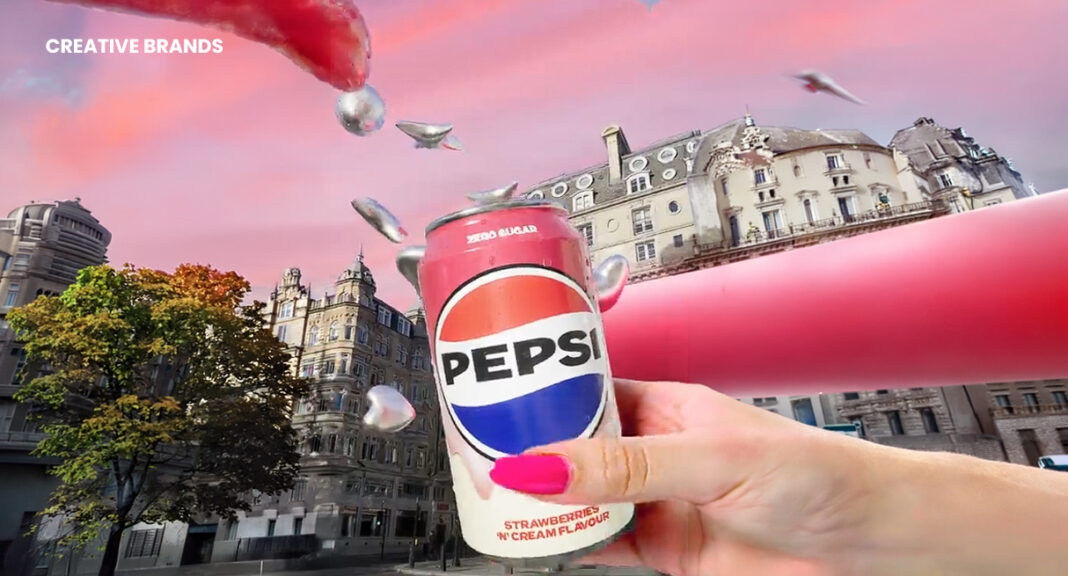
Pepsi is painting Valentine’s Day pink with a bold new campaign that celebrates love in all its forms. Launching dessert-inspired zero sugar drinks, the brand positions the day as a treat for everyone—whether in relationships, situationships, or self-love. The campaign invites fans worldwide to join in spreading pink joy.
Valentine’s Day has long been a canvas for brands to reimagine love, but Pepsi’s 2026 campaign takes the celebration into a new, vibrant territory. With the tagline “It’s going to be a Pink Valentine’s,” the beverage giant is not just offering a product—it is staging a cultural moment. On February 14, Pepsi unveiled its dessert-inspired zero sugar drinks, a range designed to indulge without guilt, and to remind consumers that love, in all its forms, deserves a treat.
The campaign is striking in its inclusivity. Pepsi’s message is clear: Valentine’s Day is not only for couples. It is for friendships, for situationships, for family bonds, and for the most important relationship of all—self-love. By declaring that “irrespective of your relationship status—you deserve a treat,” Pepsi positions itself as a companion to every kind of Valentine. This is a clever pivot from the traditional narrative of exclusivity, where Valentine’s Day is often framed as a celebration of romantic love alone.
The drinks themselves are inspired by desserts, tapping into the universal appeal of indulgence. While the zero sugar formula speaks to health-conscious consumers, the dessert theme evokes nostalgia, comfort, and joy. It’s a balancing act between indulgence and wellness, a reflection of modern consumer desires. Pepsi has long been adept at reading cultural cues, and this campaign demonstrates its ability to blend product innovation with emotional resonance.
But what makes this Valentine’s campaign particularly distinctive is its visual identity. Pepsi has called on fans and collaborators to “paint their parts of the world pink with treats.” This global shoutout transforms the campaign into a participatory movement. Pink, traditionally associated with romance and tenderness, is reimagined here as a symbol of inclusivity and celebration. The colour becomes a unifying thread, connecting diverse expressions of love across geographies.
The timing of the launch is also strategic. Valentine’s Day is a crowded space for marketing, with brands vying for attention through chocolates, flowers, and jewellery. Pepsi’s entry into the conversation with a beverage innovation is both unexpected and refreshing. It allows the brand to stand out while tapping into the emotional energy of the day. By aligning the product with a cultural moment, Pepsi ensures that its drinks are not just consumed but experienced as part of a larger narrative.
The campaign also reflects broader shifts in consumer culture. Today’s audiences are increasingly sceptical of narrow definitions of love and happiness. They seek brands that acknowledge complexity, diversity, and individuality. Pepsi’s recognition of “situationships” and self-love is a nod to contemporary realities, where relationships are fluid and personal well-being is paramount. This cultural sensitivity enhances the brand’s relevance, making it resonate with younger demographics who value authenticity and inclusivity.
From a branding perspective, the campaign underscores Pepsi’s ability to reinvent itself while staying true to its core identity of fun, energy, and boldness. The dessert-inspired drinks are not just a product extension; they are a statement of intent. Pepsi is signalling that it understands the evolving desires of its consumers and is willing to innovate to meet them.
The shoutout to those “painting their parts of the world pink” adds a communal dimension. It transforms consumers into co-creators of the campaign, blurring the line between brand and audience. This participatory approach is emblematic of modern marketing, where engagement and interaction are as important as the product itself. By inviting fans to join in the celebration, Pepsi fosters a sense of belonging and shared joy.
The campaign’s resonance lies in its ability to balance spectacle with sincerity. On one hand, it is a bold, colourful celebration designed to capture attention. On the other, it carries a genuine message of inclusivity and self-worth. This duality makes it more than just a marketing stunt; it becomes a cultural statement.
As Valentine’s Day unfolds, the sight of pink-themed celebrations tied to Pepsi’s drinks will likely dominate social media feeds. The campaign is designed for virality, with its visual appeal and participatory call to action. Yet beyond the digital buzz, its impact lies in the way it reframes Valentine’s Day. By declaring that everyone deserves a treat, Pepsi democratizes the celebration of love, making it accessible to all.
In a world where brand campaigns often risk being superficial, Pepsi’s Pink Valentine’s strikes a chord by blending product innovation with cultural insight. It is a reminder that love is multifaceted, that indulgence can be guilt-free, and that joy is worth sharing. Whether enjoyed with a partner, a friend, or alone, Pepsi’s dessert-inspired zero sugar drinks promise to make Valentine’s Day sweeter, brighter, and undeniably pink.
At its heart, the campaign is about more than beverages. It is about creating a moment of collective celebration, where pink becomes the colour of inclusivity, and treats become symbols of self-worth. Pepsi has once again demonstrated its knack for turning a product launch into a cultural phenomenon, ensuring that this Valentine’s Day will be remembered not just for roses and chocolates, but for a bold splash of pink fizz.
Discover more from Creative Brands
Subscribe to get the latest posts sent to your email.