


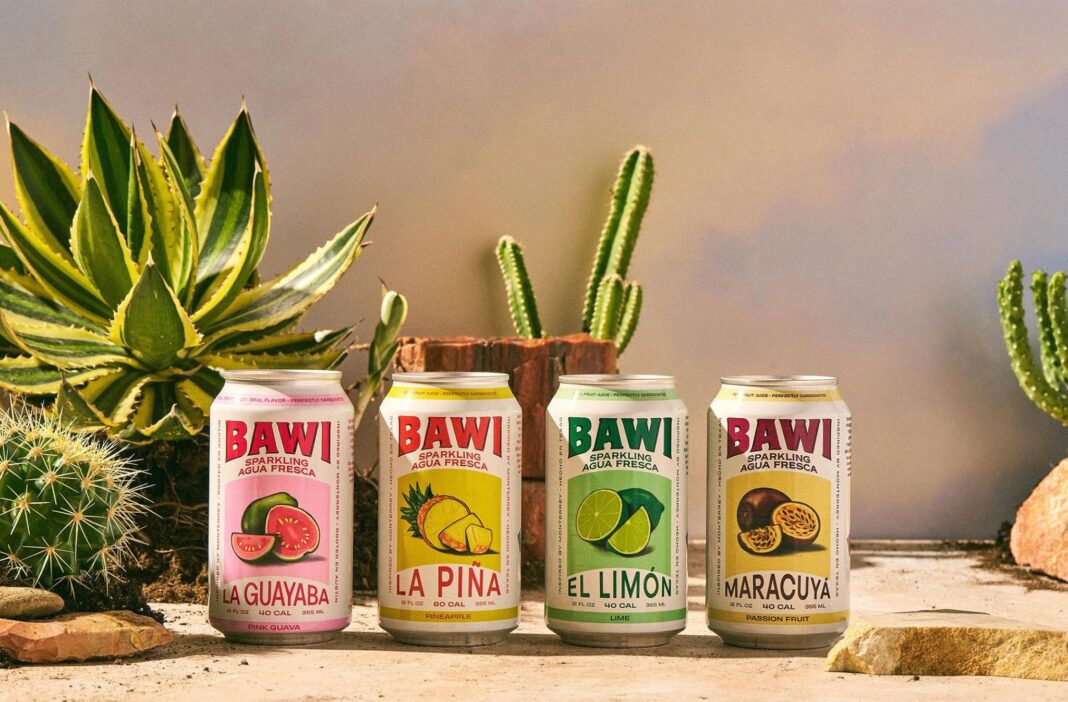
Bawi reimagines Mexico’s beloved agua frescas with a modern, health-conscious twist—retaining nostalgic flavors while reducing sugar and adding carbonation. Its packaging, inspired by street art and fruit stands, blends bold typography, vibrant colors, and intricate fruit illustrations to honor cultural authenticity while appealing to contemporary beverage audiences.
In Mexico, few drinks carry the same cultural resonance as agua frescas. These refreshing blends of fruit, water, and sugar are more than beverages; they are symbols of community, tradition, and everyday joy. From bustling street corners to family gatherings, agua frescas have long been a staple of Mexican life, offering a burst of flavor and a reminder of heritage. Yet, in a world increasingly conscious of health and wellness, the challenge has been how to preserve the nostalgic essence of these drinks while adapting them to modern tastes. Enter Bawi, a brand that has set out to reimagine agua frescas for a new generation without losing sight of their roots.
Bawi’s approach is deceptively simple but profoundly impactful: reduce sugar, add carbonation, and retain the flavors that generations have cherished. The result is a beverage that feels familiar yet refreshingly new, bridging the gap between tradition and innovation. For consumers who crave authenticity but also demand healthier options, Bawi offers a solution that feels both respectful and forward-looking.
The journey, however, was not just about the liquid inside the bottle. In today’s crowded beverage market, packaging is as critical as taste. A drink may capture the imagination of its creators, but without a visual identity that resonates, it risks being lost among countless competitors. Bawi’s challenge was clear: create packaging that honors cultural authenticity while appealing to contemporary audiences, and ensure it stands out on shelves where every brand vies for attention.
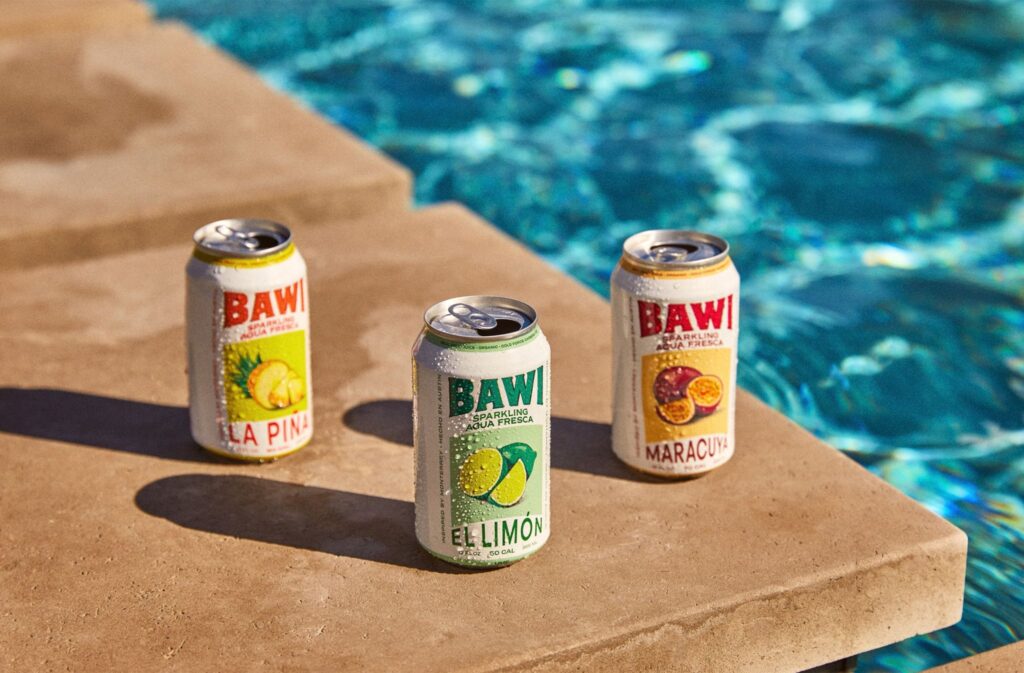
The answer lay in Mexico’s own visual culture. Drawing inspiration from street art and local fruit stands, Bawi’s design team crafted a visual system that bursts with energy and personality. Intricate fruit illustrations form the heart of the design, celebrating the natural ingredients that define agua frescas. These illustrations are not sterile or overly polished; they carry the vibrancy and spontaneity of hand-drawn art, echoing the textures and colors of markets where fruit is piled high in joyful abundance.
Complementing these illustrations is bold, punchy typography that injects a sense of modernity and dynamism. The lettering feels alive, almost as if it is shouting from the bottle, demanding attention in a way that mirrors the lively spirit of Mexican streets. Together, the typography and illustrations create a rhythm—a visual dance that mirrors the effervescence of the drink itself.
Color plays a crucial role in reinforcing recognition and personality. Each flavor in the lineup is distinguished by a palette that is both vibrant and cohesive, ensuring that the brand feels unified while allowing individual products to shine. These colors are not chosen arbitrarily; they are rooted in the hues of Mexican culture, from the deep reds of hibiscus to the bright yellows of mango. The result is packaging that feels joyful, authentic, and distinctly modern, a rare combination that manages to honor tradition while embracing contemporary aesthetics.
For consumers, the impact is immediate. A bottle of Bawi does not simply sit on a shelf; it radiates presence. It tells a story before the first sip, inviting people to connect with a cultural legacy while indulging in a beverage that aligns with their health-conscious choices. In this way, Bawi’s packaging becomes more than a container—it becomes a cultural ambassador, bridging past and present through design.
The significance of this achievement extends beyond branding. In an era where global markets often dilute cultural products to fit mainstream expectations, Bawi’s insistence on authenticity is refreshing. By rooting its identity in Mexican street art and fruit stand aesthetics, the brand resists homogenization and instead celebrates the uniqueness of its heritage. At the same time, by embracing modern design principles and health-conscious formulations, it ensures relevance in a competitive landscape dominated by global beverage giants.
This duality—authentic yet modern, nostalgic yet innovative—positions Bawi as more than just another drink. It becomes a symbol of how cultural traditions can evolve without losing their essence. For Mexican consumers, it offers a way to reconnect with familiar flavors in a healthier format. For international audiences, it provides a window into Mexican culture, packaged in a way that feels accessible and exciting.
The broader implications for the beverage industry are worth noting. As consumers increasingly demand products that balance authenticity with wellness, brands face the challenge of delivering both. Bawi demonstrates that this balance is possible, but it requires more than superficial gestures. It demands a deep understanding of cultural context, a willingness to innovate responsibly, and a commitment to design that communicates values as much as aesthetics.
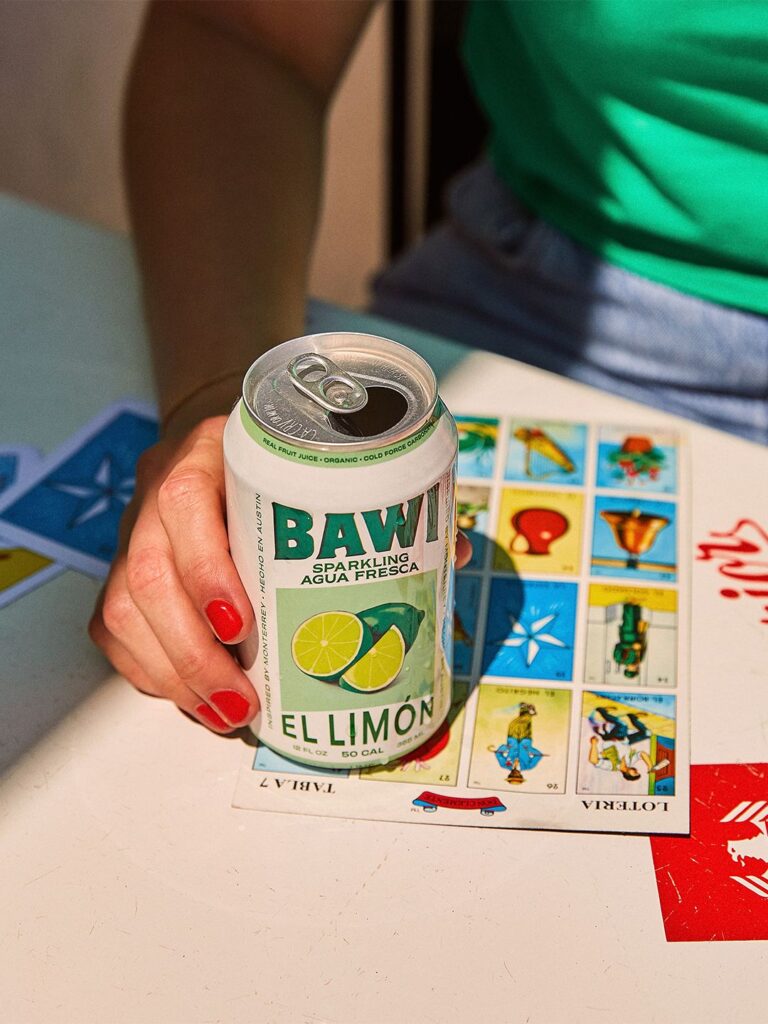
In the end, Bawi’s success lies in its ability to make agua frescas feel timeless yet timely. By reducing sugar and adding carbonation, it aligns with modern health trends. By embracing street art and fruit stand visuals, it anchors itself in cultural authenticity. By combining vibrant colors, bold typography, and intricate illustrations, it creates packaging that is not only eye-catching but also meaningful.
For those who grew up with agua frescas, Bawi offers a chance to relive cherished memories in a new form. For those discovering them for the first time, it provides an introduction that is both authentic and approachable. In both cases, the brand achieves what few manage: it makes tradition feel alive, relevant, and ready for the future.
As the beverage industry continues to evolve, Bawi stands as a reminder that innovation does not have to mean erasure. With creativity, respect, and vision, even the most traditional of drinks can be reimagined for modern audiences. And in doing so, they can continue to tell stories that matter—stories of culture, community, and joy, bottled for the world to share.
Discover more from Creative Brands
Subscribe to get the latest posts sent to your email.