


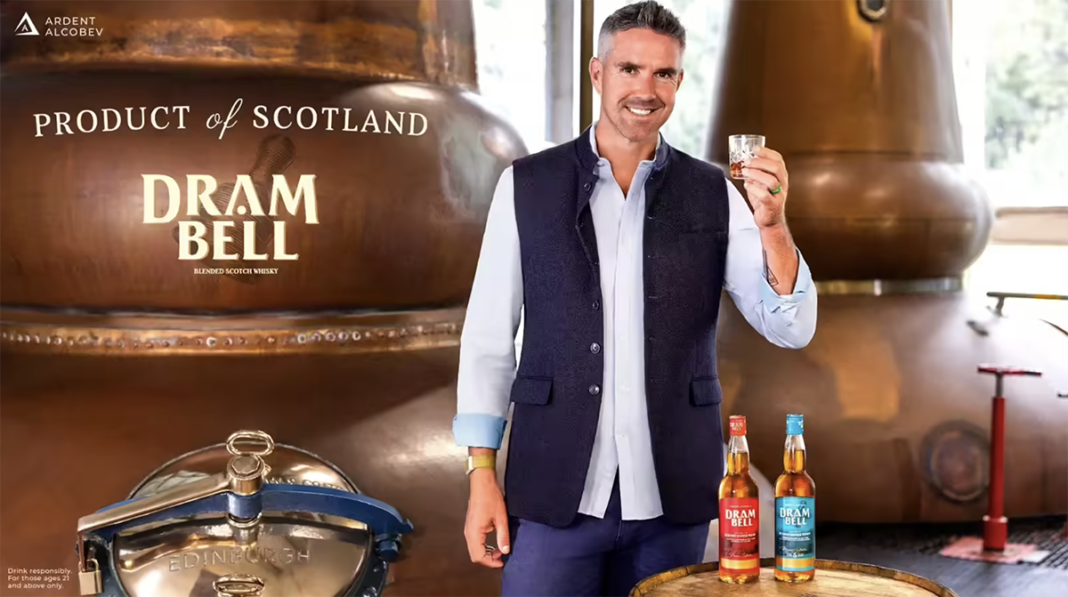
Kevin Pietersen stunned X users by replying in fluent Hindi using Bollywood meme dialogues, sparking rumours his account was hacked. Within hours, he trended at #3. The twist: it was a planned digital activation teasing Dram Bell’s North India launch, turning curiosity into viral anticipation without sounding like advertising.
When former England cricket captain Kevin Pietersen began replying to a seemingly routine tweet in fluent Hindi — complete with Bollywood meme references — the internet did what it does best: it panicked, laughed, and started screenshotting.
For fans who have followed Pietersen’s career across cricket, commentary, business, and social media, his online persona is familiar. He’s outspoken, sharp, and often playful, but this was different. The replies weren’t just a casual “Namaste” or a one-off Hindi phrase. They were full-blown desi internet energy: meme-coded, dialogue-heavy, and delivered with the kind of timing that suggested either a sudden cultural awakening or something far more suspicious.
Within minutes, the question spread: was Kevin Pietersen hacked?
The thread began innocently enough. Debasish, Founder of Ardent Alcobev, posted a teaser hinting at “exciting times ahead” for Dram Bell’s North India launch. It could have been the kind of corporate breadcrumb that disappears into the daily scroll. The sort of post that gets a few polite likes, maybe a comment or two, and then vanishes under the weight of news cycles and cricket chatter.
Instead, it turned into a digital spectacle.
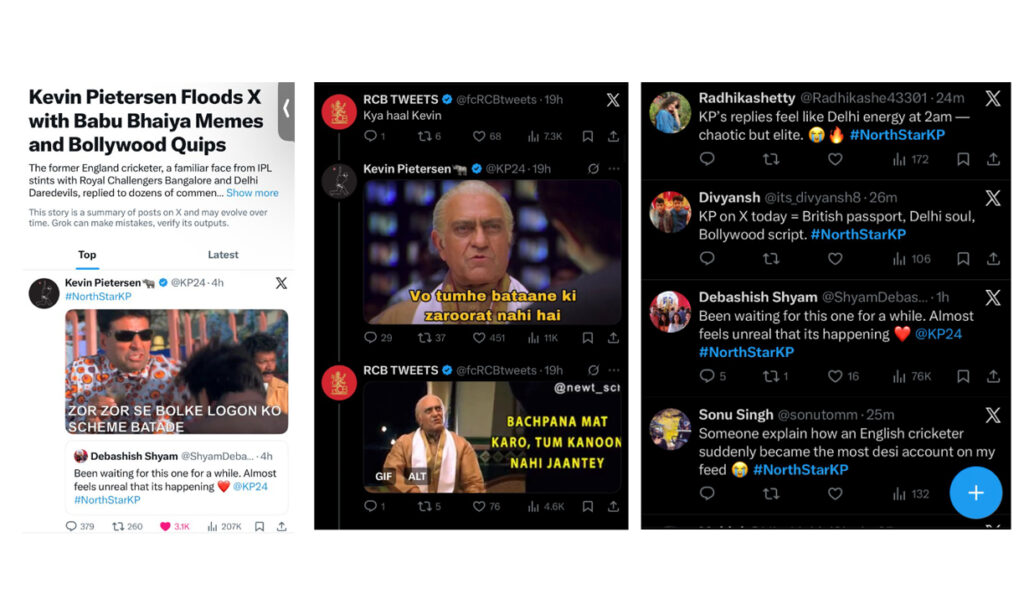
Pietersen replied — not with formal congratulations, not with brand-friendly enthusiasm, and definitely not with the typical ambassador-style line about “excited to be part of this journey.” He responded with a famous Akshay Kumar meme dialogue: “Zor zor se bolke logo ko scheme bata de.”
That line, widely used online to mock anyone revealing a secret too loudly, instantly shifted the tone. It wasn’t a brand endorsement. It was participation. It wasn’t advertising. It was internet culture.
And once Pietersen opened that door, he didn’t step back. He leaned all the way in.
As users replied with confusion and curiosity, Pietersen kept responding in character. Not in explanatory paragraphs. Not in polished English. Only through Bollywood dialogues, meme references, and desi-style one-liners that felt like they belonged in an Indian group chat rather than the feed of a former England captain.
The internet’s reaction was immediate and layered. Some were genuinely convinced the account had been compromised. Others were delighted by the absurdity. A third group did what the internet always does when it senses something viral: they tried to decode it. Screenshots started circulating across platforms. Marketing professionals began quoting the thread. Meme pages began amplifying it. Cricket fans, who often dominate Pietersen-related conversations, were suddenly sharing Bollywood dialogue screenshots like they’d been waiting their whole lives for this crossover episode.
The more people questioned him, the funnier the replies became. And crucially, the more he refused to explain, the more the thread grew. In a digital world where everyone is always clarifying, apologising, or rushing to control narratives, Pietersen did the opposite. He withheld information. He let speculation breathe. He gave the internet a mystery and then fed it only jokes.
In just two hours, Pietersen was trending on X at #3. That’s not a small achievement for a whisky launch teaser — especially in a country where trending lists are often dominated by political storms, cricket updates, and celebrity controversies. The fact that a brand launch could hijack attention through humour, confusion, and cultural fluency was a sign of something bigger: the campaign wasn’t relying on paid noise. It was generating organic chaos.
And then came the twist.
This wasn’t a hack. It wasn’t a rogue social media manager. It wasn’t Pietersen suddenly deciding to become the honorary president of Bollywood meme culture. It was, in fact, the opening act of a digital activation for Dram Bell, a premium Scotch whisky brand by Ardent Alcobev, ahead of its North India launch.
Once the connection became clear, the thread didn’t lose energy. If anything, it gained a second wave of appreciation. Because people weren’t just reacting to the jokes anymore — they were reacting to the strategy.
In an era of predictable brand launches, this felt refreshingly alive. Most alcohol marketing, especially for premium spirits, tends to follow a familiar script: sleek visuals, moody lighting, tasting notes, a promise of sophistication, and the subtle suggestion that buying the bottle upgrades your personality. Even when brands attempt humour, it often feels manufactured, carefully approved, and painfully aware of itself.
This wasn’t that.
Pietersen didn’t behave like a brand ambassador. He behaved like a participant. He didn’t announce. He didn’t pitch. He didn’t explain the product. He simply performed inside the culture — and by doing so, he made the internet do the work.
That is what made the activation feel like genius. It wasn’t clever because it was complicated. It was clever because it understood a simple truth about digital attention: people don’t share ads, they share moments. And nothing creates a moment faster than confusion mixed with comedy.
By responding in Hindi and Bollywood meme language, Pietersen bridged global stardom with local internet culture. This wasn’t “international celebrity tries Indian thing awkwardly.” It was the opposite. The humour landed. The references were accurate. The tone was authentically online. It made users feel like they were in on something — or at least like they were watching something unfold in real time.
The campaign also managed something that most launch teasers fail to achieve: it sparked conversation across communities that don’t always overlap. Cricket audiences engaged because Pietersen was involved. Meme audiences engaged because the content was meme-first, not brand-first. Marketing audiences engaged because it was a case study happening live. And general users engaged because it was simply entertaining.
By the time the audience realised it was a planned teaser for Dram Bell’s North India launch, the campaign had already achieved what millions in media spends often chase: anticipation without fatigue. It triggered mass speculation. It activated multiple interest groups. It built momentum without feeling like a push.
And perhaps most importantly, it didn’t feel like advertising.
That’s the real magic trick. Dram Bell didn’t just insert itself into the conversation — it engineered a conversation that people wanted to join. Pietersen’s meme replies didn’t just tease a launch. They created a cultural moment. The thread became something users returned to, refreshed, replied to, and continued to meme long after the “reveal” was understood.
Even now, the memes haven’t stopped on that thread. Users keep adding their own Bollywood references, cricket jokes, and marketing commentary, extending the life of the activation in a way that traditional campaigns can rarely sustain.
In today’s crowded digital landscape, where brands compete not just with other brands but with every meme, every breaking news alert, and every dopamine-triggering scroll, this campaign proved one thing with rare clarity: sometimes, the smartest way to announce something big is to let the internet find it first.
Discover more from Creative Brands
Subscribe to get the latest posts sent to your email.