


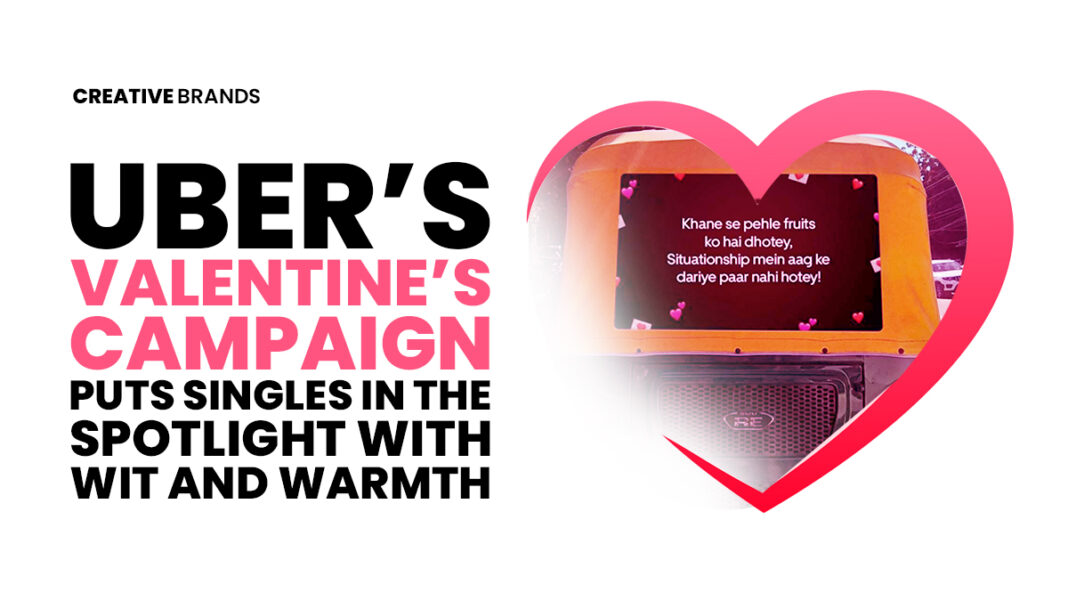
Uber’s Valentine’s Day campaign breaks from tradition, celebrating singles with humour and authenticity. Steering clear of clichés, it champions self-love, independence, and no-pressure plans. With sharp creatives and playful storytelling, Uber reframes February 14 as a day for real, relatable moments—making solo rides feel like celebrations of freedom.
Valentine’s Day has long been wrapped in the familiar imagery of roses, candlelit dinners, and heart-shaped chocolates. For decades, brands have leaned into the language of romance, crafting campaigns that spotlight couples and their love stories. But what happens when you’re single on the day that seems designed to remind you of it? Uber has an answer—and it’s refreshingly different.
This year, the ride-hailing giant has chosen to skip the predictable tropes and instead embrace the reality of millions who will spend Valentine’s Day solo. With a campaign that is witty, relatable, and unapologetically fun, Uber is speaking directly to those who may not have a date but still want to celebrate themselves. The message is clear: being single isn’t something to hide or lament—it’s something to enjoy, and Uber is here to make that ride smoother.
The creatives are sharp, playful, and grounded in everyday experiences. Instead of glossy depictions of romance, Uber’s campaign leans into the quirks of singlehood. Think self-love rides where you treat yourself to a comfortable journey home after a long day, or no-pressure plans that don’t involve awkward dinner reservations or overpriced bouquets. The tone is conversational, almost as if Uber is a friend nudging you to laugh at the situation rather than sulk.
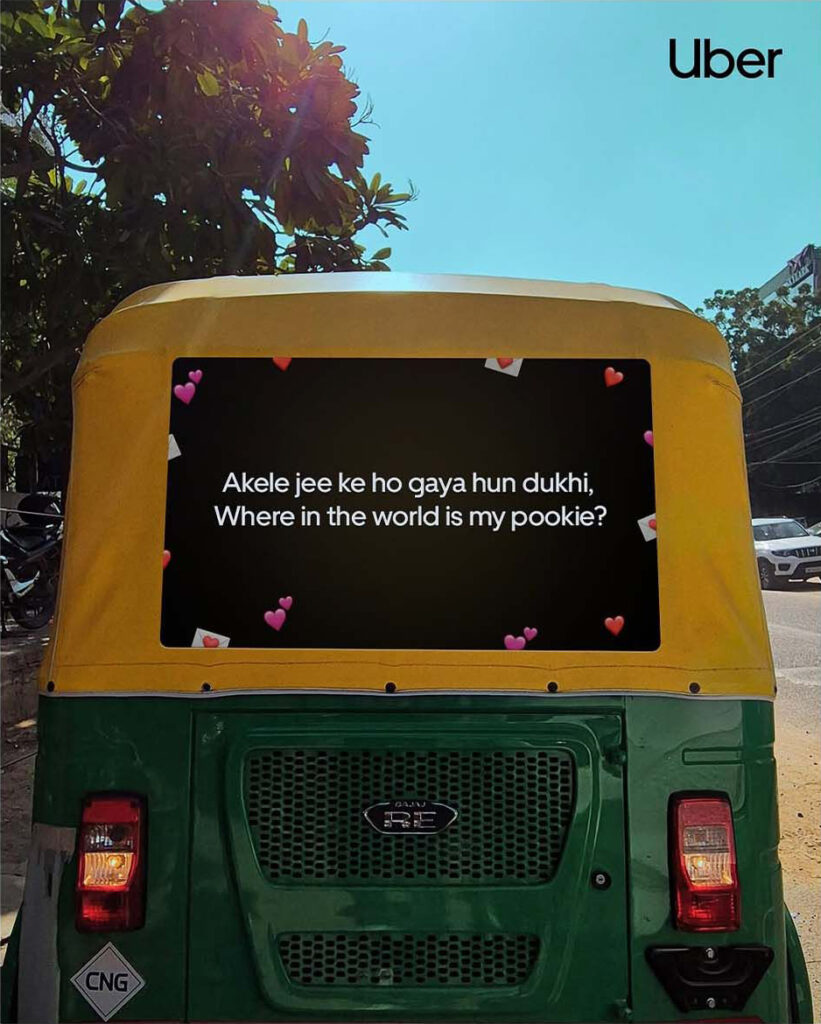
One of the standout aspects of the campaign is its refusal to patronise. Too often, brands that attempt to address singles on Valentine’s Day end up sounding condescending, offering platitudes about “loving yourself first” or “waiting for the right one.” Uber’s approach is different. It acknowledges the reality—yes, you’re single, and yes, Valentine’s Day can feel overwhelming—but it reframes the narrative with humour and relatability. The creatives hit close to home because they mirror the small, real-life moments that singles experience: scrolling through dating apps, dodging intrusive questions from relatives, or simply enjoying the peace of not having to plan an elaborate evening.
The campaign also taps into a broader cultural shift. In recent years, Valentine’s Day has been slowly evolving beyond its couple-centric identity. Movements like Galentine’s Day, self-care rituals, and friendship-focused celebrations have gained traction, reflecting a growing desire to make the day inclusive. Uber’s campaign fits neatly into this trend, but with its own twist—it’s not about creating an alternative celebration, but about normalising the idea that being single is perfectly fine, even on Valentine’s Day.
The humour is key. By making singles laugh at their own situations, Uber diffuses the pressure that often accompanies the day. A witty tagline or a cheeky creative can transform what might otherwise feel like a lonely evening into a moment of self-recognition. It’s marketing that doesn’t just sell a service—it sells a mood, a mindset.
From a branding perspective, the campaign is a masterstroke. Uber has always positioned itself as more than just a ride-hailing app; it’s about convenience, comfort, and being part of everyday life. By aligning itself with singles on Valentine’s Day, Uber reinforces its identity as a brand that understands people’s realities, not just their aspirations. It’s a reminder that Uber is there for you whether you’re heading to a romantic dinner, a solo movie night, or simply back home after work.
The campaign also resonates with younger audiences, particularly Gen Z and millennials, who are increasingly sceptical of traditional Valentine’s Day marketing. This demographic values authenticity and relatability, and Uber’s creatives deliver exactly that. Instead of glossy perfection, they offer humour and honesty. Instead of pressure, they offer ease. It’s a tone that feels modern, inclusive, and in tune with the way younger people view relationships and selfhood.
Interestingly, Uber’s campaign also highlights the growing importance of self-love in consumer culture. The idea of treating yourself—whether through a ride, a meal, or a small indulgence—has become a powerful narrative in marketing. By framing its service as part of a self-love ritual, Uber taps into this trend while keeping the message light-hearted. It’s not about grand gestures; it’s about small comforts that make everyday life better.
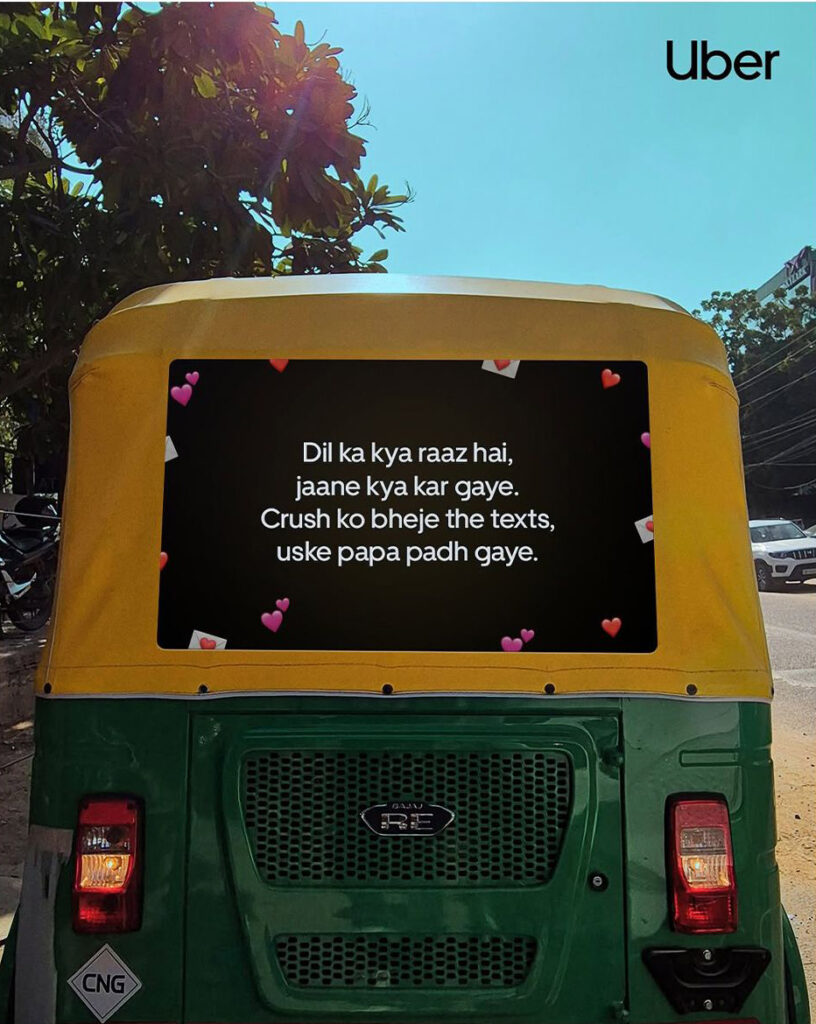
The question posed at the end of the campaign—“Which one’s you?”—is particularly effective. It invites audiences to see themselves in the creatives, to laugh at their own quirks, and to embrace their single status with pride. It’s interactive without being forced, and it turns the campaign into a conversation rather than a monologue.
In a marketplace crowded with Valentine’s Day campaigns, Uber’s stands out precisely because it doesn’t try too hard. It doesn’t promise to fill the void of romance or offer substitutes for love. Instead, it acknowledges reality and makes it fun. It’s a campaign that says: you don’t need roses or candlelight to enjoy February 14. Sometimes, all you need is a ride, a laugh, and a little self-love.
As Valentine’s Day approaches, Uber’s campaign is likely to strike a chord with millions who find themselves single. It’s a reminder that marketing doesn’t always have to be aspirational; sometimes, the most powerful stories are the ones that reflect everyday life. By celebrating singles with wit and warmth, Uber has created a campaign that is not only timely but timeless in its appeal.
In the end, Valentine’s Day is about love—but love takes many forms. Uber’s campaign reminds us that self-love, humour, and independence are just as worthy of celebration. And for those flying solo this year, that’s a message worth riding along with.
Discover more from Creative Brands
Subscribe to get the latest posts sent to your email.