


Superdry’s first collaboration with Pearl Academy connected student designers with stores in Delhi, Mumbai and Bengaluru, showcasing fresh Gen Z perspectives on contemporary streetwear. The initiative, supported by Reliance Brands Limited, fostered real-time dialogue between young creatives and retail teams, highlighting RBL’s commitment to nurturing future talent and driving fashion innovation in India.
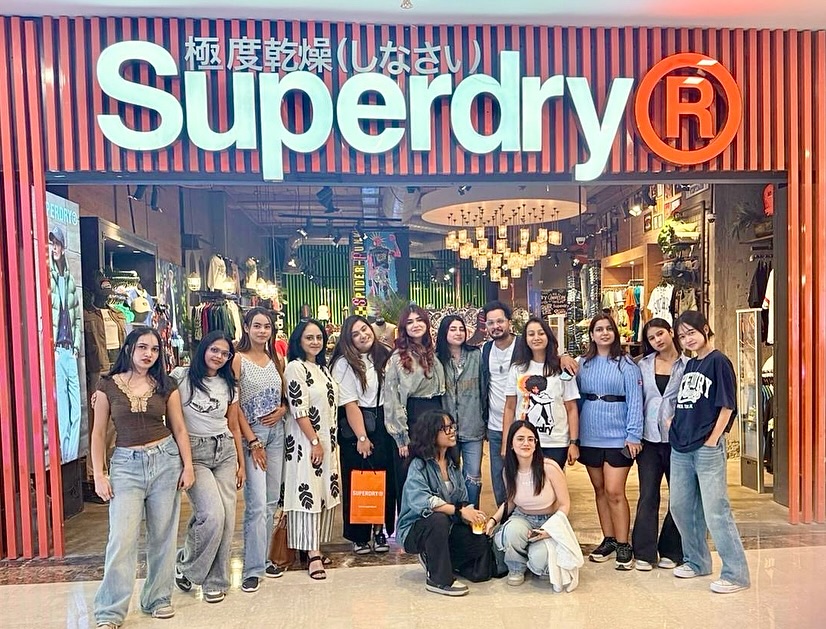
Superdry’s first collaboration with Pearl Academy opened its doors to a new wave of creative energy, bringing young designers directly into the heart of India’s retail hubs in Delhi, Mumbai, and Bengaluru. For the British fashion brand, now firmly embedded in India through Reliance Brands Limited (RBL), the partnership signalled more than a design exercise—it became a conversation about where streetwear is heading, and who will shape that direction in the years to come. For Pearl Academy students, it was an opportunity to step out of the classroom and into real retail environments, where their ideas were not just evaluated but experienced by customers, brand teams, and the broader fashion ecosystem.
The project centred on the theme “The Now of Streetwear Fashion,” a phrase intentionally crafted to prompt students to reflect the fluidity of contemporary style. In an age where streetwear has evolved far beyond hoodies and sneakers into a global movement powered by identity, culture, and online communities, the young designers were encouraged to interpret what the term means in 2025. Their presentations, showcased in Superdry stores across the three cities, became catalysts for conversations about trends, creativity, sustainability, and the shifting sensibilities of Gen Z consumers.
Inside the stores, Superdry teams interacted with students as they unpacked their ideas—some exploring maximalist statements inspired by global music and gaming cultures, others leaning into muted tones and modular silhouettes that reflect the minimalism gaining traction among Indian youth. The dialogues went deeper than aesthetics. Students spoke about the changing relationship between fashion and self-expression, the rise of comfort-led dressing in a post-pandemic world, and the growing desire for brands to build communities rather than just sell collections. For Superdry, whose identity is rooted in global street culture and high-quality detailing, these exchanges offered a direct look into the minds of the next generation of shoppers—and designers.
The collaboration was also a reflection of RBL’s broader strategy to create meaningful platforms that bridge academia and industry. At a time when fashion education is being reshaped by technology, cultural shifts, and the demands of a rapidly evolving retail landscape, RBL has been investing in initiatives that bring students closer to real-world processes. By giving Pearl Academy students access to store environments, merchandising teams, and customer insights, the company created an immersive learning ecosystem where theory met practice. The initiative showed how experiential learning can foster not just creativity but also business sense, helping young designers understand the full lifecycle of fashion—from ideation to consumer engagement.
What set the collaboration apart was its emphasis on dialogue. Instead of a competition or showcase, the project was designed as a two-way interaction. Students were encouraged to ask questions, observe store behaviour, and understand the storytelling that drives retail success. In turn, Superdry teams gained a window into Gen Z’s evolving tastes—something vital at a time when this demographic is shaping the future of global fashion consumption. The insights that emerged ranged from discussions on the sustainability expectations of young consumers to the growing demand for gender-fluid fashion and the blurring of lines between casual, athleisure, and streetwear.
Faculty mentors from Pearl Academy also highlighted how the collaboration enriched the learning process. Many noted that taking students into live store environments sparked a deeper understanding of consumer psychology, a skill that is increasingly important as brands navigate an attention economy shaped by social media and rapid trend cycles. The students’ interpretations, though diverse, shared a common thread—a belief that streetwear today is less about conforming to a style tribe and more about expressing personal identity in a way that feels authentic. This sentiment resonated strongly with the Superdry and RBL teams, who saw it as a reaffirmation of where retail storytelling must now focus.
Customers visiting the stores during the presentations witnessed a rare moment: a brand opening itself up to student-led creativity. For many, it offered a glimpse into how Gen Z designers perceive the world of street style, with interpretations that ranged from bold experimentalism to subtle cultural fusion. The students’ work also demonstrated how Indian fashion voices are increasingly blending global influences with local narratives—a trend that is shaping a uniquely Indian streetwear identity.
For Superdry, the collaboration reinforced the brand’s connection with youth culture in India. As streetwear continues to evolve into a lifestyle statement among urban consumers, tapping into student perspectives becomes a strategic advantage. The brand’s global legacy—craftsmanship, bold graphics, and Japanese-inspired elements—found new interpretations through the eyes of Pearl Academy’s emerging talent. These fresh viewpoints offer possibilities for future crossovers, creative partnerships, and even collaborative collections that reflect the spirit of contemporary India.
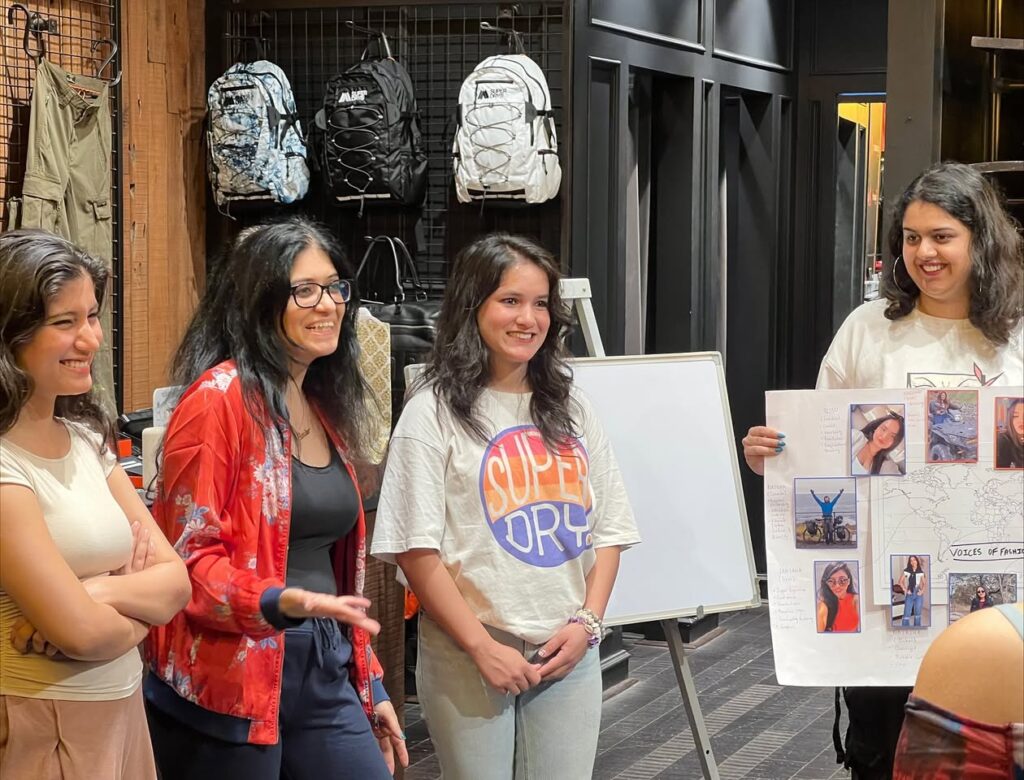
RBL, which has consistently championed innovation within the Indian fashion ecosystem, viewed the initiative as part of its mission to nurture the next generation of industry leaders. By creating platforms where students can test ideas, interact with brands, and understand the realities of fashion retail, the company aims to contribute to a sustainable talent pipeline. As Indian fashion continues to integrate global trends with homegrown design intelligence, these opportunities help young creatives gain confidence and industry exposure long before graduation.
By the end of the collaboration, it was clear that the initiative had sparked more than just conversations; it had built connections between emerging talent and one of the world’s most recognisable streetwear brands. The students walked away with real-world insight into how ideas translate into brand narratives, while Superdry’s retail teams gained a deeper understanding of the evolving aesthetics of India’s young fashion consumers. The experience demonstrated how industry-academia collaborations can be both creatively fulfilling and strategically meaningful.
The project also underscored a broader shift happening across the fashion industry. As consumers increasingly prioritise individuality, sustainability, and authenticity, brands are looking beyond traditional trend forecasting and tapping into grassroots creativity. Partnering with design schools allows retailers to stay ahead of cultural shifts and identify the creative voices shaping tomorrow’s fashion landscape. Superdry’s initiative with Pearl Academy reflects this new approach—one that prioritises collaboration, experimentation, and shared learning.
As RBL reflected on the outcomes, the company extended gratitude to the mentors and students whose participation made the project possible. That appreciation was matched by enthusiasm for future collaborations, with industry observers noting that such initiatives hold the potential to strengthen India’s position in global fashion innovation. For the students, the experience served as a milestone in their academic journey, offering not just industry exposure but also validation of their creative instincts.
Superdry’s collaboration with Pearl Academy may have been its first, but the conversations it sparked—from the evolution of streetwear to the expectations of Gen Z consumers—suggest it won’t be the last. In the increasingly dynamic world of fashion, where cultural shifts are rapid and consumer behaviour is constantly evolving, such partnerships may well become the most powerful laboratories for future ideas.
Discover more from Creative Brands
Subscribe to get the latest posts sent to your email.