


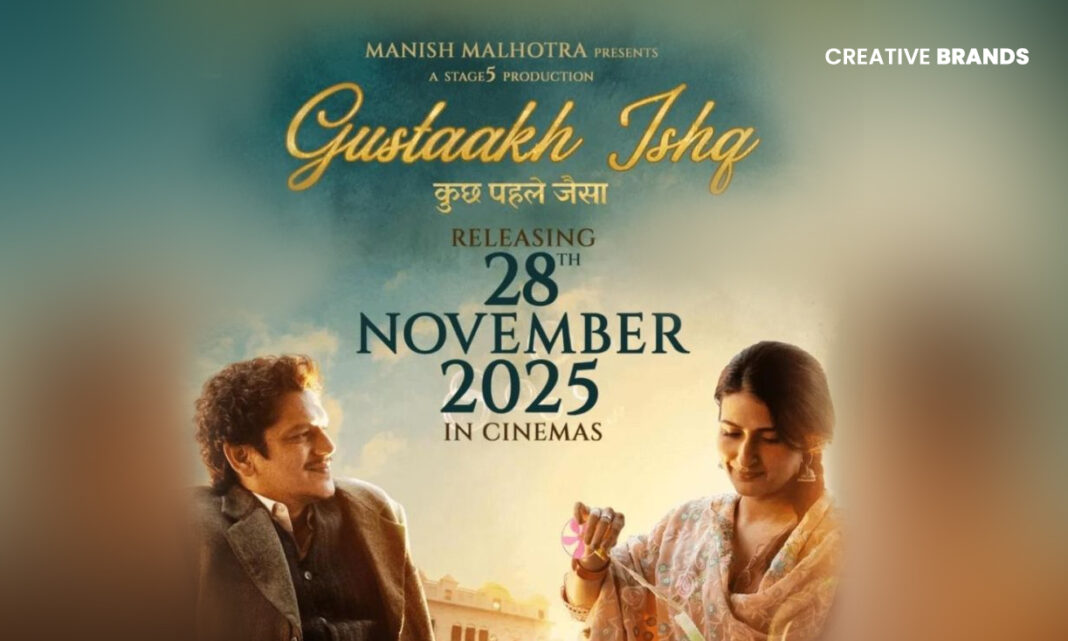
Co-promotion no longer relies on big films and big media. Gustaakh Ishq shows how niche storytelling, defined audiences, and cultural relevance create stronger brand impact. With Trumate Appliances, GreyOn Cosmetics, and Paytm Travel, EMC demonstrates a new era of partnerships built on emotional resonance, narrative fit, and community-driven influence.
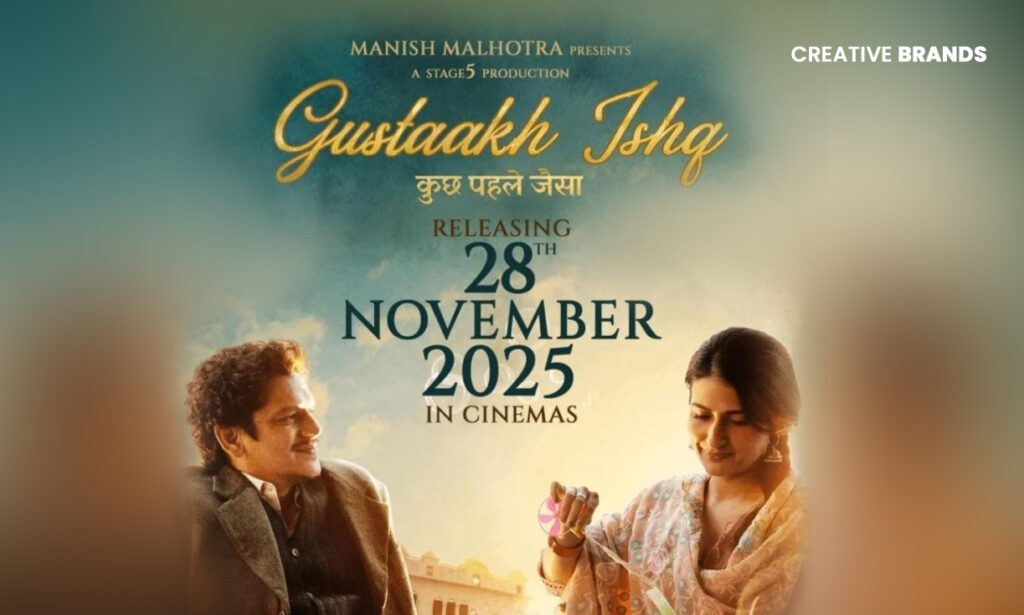
Co-promotion in Indian entertainment has quietly undergone a transformation, shifting away from the era when everything depended on sheer scale. For years, the industry relied on a predictable equation: attach a big brand to a big film, run big media around it, and expect big results. That formula worked when mass visibility alone could guarantee traction. But as audiences splintered, tastes diversified, and entertainment became more tribal, the older route lost its magic. Today, cultural depth matters more than media weight, and stories matter more than size. In that changing landscape, co-promotion has evolved from a volume-driven exercise into a value-driven craft. The emerging formula—niche film plus defined tribe plus cultural influence—has proven that small can be mighty when the connection is authentic. The upcoming film Gustaakh Ishq stands as a shining example of this shift, not by virtue of its scale, but through its ability to create brand partnerships rooted in relevance, emotion, and community identity.
At the center of this new movement is EMC, positioning itself as a catalyst rather than a participant. Instead of simply adapting to the new co-promotion paradigm, the company has begun shaping it, constructing collaborations that are grounded in shared narratives rather than superficial visibility. For Gustaakh Ishq, EMC stitched together three distinct partnerships—Trumate Appliances, GreyOn Cosmetics, and Paytm Travel—not because they were the largest brands available, but because each one fit meaningfully into the world the film inhabits. Each collaboration became an extension of the film’s emotional triggers and audience sensibilities, helping both the film and the brands reach the people who truly care.
Trumate Appliances, for instance, found resonance through its alignment with the film’s exploration of modern intimacy and everyday companionship. While traditional brand tie-ups might focus solely on product placement, this collaboration digs deeper, weaving Trumate’s ethos into the lifestyle of the film’s characters. In today’s era of niche segmentation, home appliance brands thrive not merely on functionality but on the emotions of comfort, aspiration, and aspiration-driven domesticity. Gustaakh Ishq taps directly into that sentiment, making the Trumate association feel organic. Instead of the old-school approach where a brand is simply seen, here it is felt—through narrative cues, character associations, and small moments that echo the brand’s real-world positioning. For Trumate, the partnership is not about borrowing fame from cinema, but about sharing a story with a community that values smart living, modern relationships, and relatable authenticity.
GreyOn Cosmetics, another collaboration, reflects a different layer of the film’s cultural fabric: individuality, expression, and identity. In a marketplace overflowing with beauty brands, GreyOn stands out by speaking to a tribe that values minimalism, realism, and personality over glamorized perfection. This is the same tribe that gravitates toward films like Gustaakh Ishq—narratives that are intimate rather than extravagant, emotional rather than blockbuster-driven. GreyOn’s presence in the film amplifies its appeal to this specific cohort, reinforcing the idea that cinema is no longer about reaching “everyone,” but about reaching “your people.” For the brand, the collaboration becomes a chance to exist within the film’s emotional palette, benefitting from the cultural cues that shape beauty consumption among young, conscious audiences. Gone are the days when beauty brands needed a mega-budget spectacle to shine; today, a well-matched story does more.
The third collaboration, with Paytm Travel, adds yet another layer to this evolving formula. Travel as a category has transformed dramatically over the past decade, driven by young consumers seeking experiences that align with their identity. Paytm Travel’s brand story—accessible adventures, seamless planning, and aspirational yet relatable journeys—aligns effortlessly with the emotional arcs that Gustaakh Ishq explores. The film deals with the complexities of love, distance, and movement, making travel a natural thematic extension. Rather than force-fitting a brand into a narrative, EMC created a partnership where the brand amplifies the film’s emotional terrain. For Paytm Travel, this collaboration isn’t about visibility; it’s about emotional placement. It is storytelling meeting mobility, narrative meeting aspiration, and culture meeting commerce in a way that feels intuitive to the audience it aims to attract.
Taken together, these three collaborations reveal why the new formula of co-promotion is more powerful than the older one. In the past, partnerships were often transactional—brands bought their space, and films provided fleeting visibility. But audiences today crave depth. They respond to stories that reflect their identities, brands that understand their values, and cultural signals that feel honest rather than manufactured. Gustaakh Ishq becomes a case study in how the right film can act as a cultural engine for brands, even when the film itself is not positioned as a massive mainstream release. Its strength lies in its ability to evoke emotion, inspire empathy, and speak directly to a defined cultural tribe. For brands, aligning with such a film is not just a marketing move—it is a cultural strategy.
EMC’s role in orchestrating these partnerships is equally significant. Rather than relying on conventional metrics such as reach and gross impressions, EMC focuses on narrative fit, emotional synergy, and cultural logic. The company understands that in a fragmented media world, the audience is not a single monolithic entity but a constellation of communities. To truly connect, brands must find the community that resonates with their values. Gustaakh Ishq gave EMC the canvas to demonstrate that kind of precision. By matching brands with storylines, character traits, and emotional layers, EMC ensured that each collaboration added depth—not noise—to both the film and the brand.
This evolution signals a broader shift that is already reshaping the entertainment-marketing landscape. Co-promotion is no longer about short-term bursts around release weekends. It is about creating cultural moments that last longer than the film’s theatrical run. It is about forging partnerships where every brand touchpoint enriches the audience’s experience rather than disrupting it. And most importantly, it is about accepting that the audience now values intimacy over spectacle, authenticity over advertising, and specificity over scale.
The new formula—niche film, defined tribe, cultural influence—does not reject the old formula of big-screen blockbusters. Instead, it expands the ecosystem. It proves that any story, when finely matched with the right cultural partners, can become a powerful engine of influence. Gustaakh Ishq shows that relevance, not reach, creates the strongest brand impact. And in this evolving creative economy, EMC is not merely following the trend. It is writing the next chapter, one thoughtful partnership at a time.
Discover more from Creative Brands
Subscribe to get the latest posts sent to your email.