


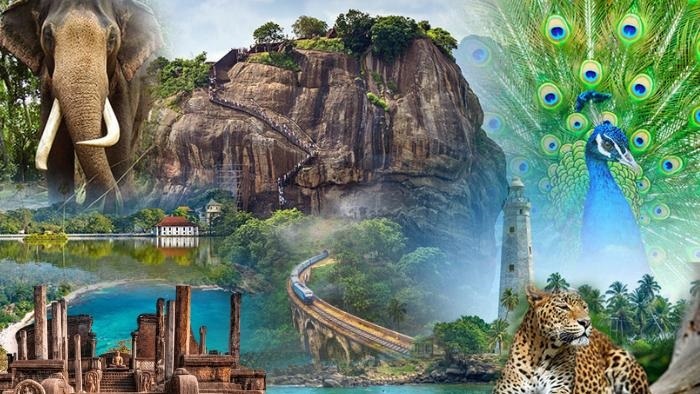
Indian tourists have become the backbone of Sri Lanka’s tourism recovery, accounting for 22.5 per cent of arrivals in 2025. Their growing presence has stabilised foreign reserves, boosted airlines, and reshaped travel trends, making India the island’s largest source market and a vital driver of its post-crisis economic resurgence.
Sri Lanka’s tourism industry, battered by the economic crisis of 2022, has staged a remarkable recovery, and at the heart of this revival lies the steady influx of Indian visitors. A new report published on 23 February by The Diplomat underscores India’s dominance in the island’s tourism landscape, revealing that Indian tourists accounted for 22.5 per cent of total arrivals in 2025, up from 17 per cent in 2022. This growth has not only reinforced India’s position as Sri Lanka’s largest source of foreign visitors but also reshaped the country’s tourism economy in ways that extend far beyond arrival numbers.
The figures tell a compelling story. In 2022, Sri Lanka welcomed just 719,978 tourists, generating $1.1 billion in revenue, which represented 5.2 per cent of foreign exchange earnings. The downturn was a direct consequence of the economic crisis, which had shaken confidence among travellers and left the tourism sector struggling to regain its footing. Yet by 2025, arrivals had surged to 2.3 million, with revenues climbing to $3.2 billion. This rebound has stabilised foreign reserves, supported thousands of jobs, and revived industries from aviation to hospitality. Crucially, Indian tourists have been central to this transformation, providing both volume and consistency at a time when Sri Lanka needed it most.
India’s dominance is stark when compared to other source markets. The United Kingdom, Sri Lanka’s second-largest contributor of tourists in 2025, accounted for 9.5 per cent of arrivals, with 224,643 visitors. Indian arrivals, by contrast, exceeded those from the UK by more than double, highlighting the scale of India’s influence. This disparity has given Sri Lanka a reliable and geographically proximate market, one that continues to expand even as long-haul destinations remain important.
The impact of Indian tourists extends well beyond headline figures. They have become a lifeline for SriLankan Airlines, which in 2025 carried 200,141 passengers from India, representing 37.6 per cent of tourist arrivals. This trend has provided the national carrier with volume, frequency, and relative stability, ensuring that its operations remain viable in a competitive regional market. While travellers from Europe and other distant destinations contribute significantly to revenue, Indian tourists offer a dependable stream of passengers who travel often and in large numbers.
Air connectivity has evolved in tandem with this demand. Indian low-cost carriers, particularly IndiGo, have rapidly expanded their presence in Sri Lanka. In 2022, IndiGo accounted for just 4.9 per cent of inbound traffic. By 2023, its share had risen to 6.6 per cent, climbing further to 8.5 per cent in 2024. By 2025, IndiGo had captured 12 per cent of total inbound tourist air traffic, making it one of the fastest-growing carriers serving the island. Its low-cost model and direct connectivity from multiple Indian cities have lowered travel costs, broadened access, and opened Sri Lanka to first-time and price-sensitive travellers. High-frequency short-haul services have made weekend getaways and spontaneous trips feasible, further embedding Sri Lanka into the Indian travel imagination.
The cultural and social dimensions of this trend are equally significant. Indian tourists have helped redefine Sri Lanka as a honeymoon destination, with its beaches, heritage sites, and boutique resorts attracting couples seeking affordable yet memorable experiences. The island has also become a popular choice for family holidays, wellness retreats, and short leisure breaks, reflecting the diverse preferences of Indian travellers. These patterns are reshaping Sri Lanka’s tourism offerings, encouraging hoteliers and tour operators to tailor packages that cater specifically to Indian tastes, from vegetarian cuisine to Bollywood-inspired entertainment.
The economic ripple effects are visible across sectors. Hotels and resorts have reported higher occupancy rates, particularly in Colombo, Kandy, and coastal regions such as Bentota and Galle. Restaurants and retail outlets have benefited from increased spending, while tour operators have expanded itineraries to include experiences that appeal to Indian visitors, such as temple tours, wildlife safaris, and cultural festivals. The aviation sector, buoyed by the surge in traffic, has strengthened its regional networks, while ancillary industries such as transport, handicrafts, and event management have also reaped rewards.
Sri Lanka’s reliance on Indian tourists is not without challenges. The concentration of arrivals from a single market raises questions about diversification and resilience. Should demand from India falter due to economic shifts, political tensions, or travel restrictions, Sri Lanka could face vulnerabilities. Yet for now, the benefits outweigh the risks. India’s proximity, growing middle class, and expanding appetite for international travel make it a natural partner in Sri Lanka’s tourism journey.
The broader geopolitical context adds another layer of significance. Tourism has become a soft power bridge between India and Sri Lanka, reinforcing cultural ties and economic interdependence. As Indian tourists flock to Sri Lanka’s beaches, temples, and tea plantations, they contribute not only to the island’s economy but also to a shared sense of regional connectivity. This dynamic underscores how tourism can serve as a stabilising force in bilateral relations, fostering goodwill and mutual benefit.
Looking ahead, Sri Lanka’s challenge will be to sustain this momentum while diversifying its markets. Efforts to attract visitors from China, Europe, and the Middle East remain important, but India’s role as the anchor of the tourism sector is unlikely to diminish. The continued expansion of low-cost carriers, the rise of digital booking platforms, and the growing popularity of short-haul leisure travel suggest that Indian tourists will remain a dominant force.
For Sri Lanka, the story of its tourism revival is inseparable from the story of Indian travellers. Their steady rise from 17 per cent of arrivals in 2022 to 22.5 per cent in 2025 reflects more than just numbers; it represents resilience, adaptability, and the forging of new trends in regional tourism. As the island continues to rebuild its economy, Indian tourists are not merely visitors—they are partners in recovery, shaping the future of Sri Lanka’s tourism industry and leaving an indelible mark on its journey from crisis to resurgence.
Discover more from Creative Brands
Subscribe to get the latest posts sent to your email.