


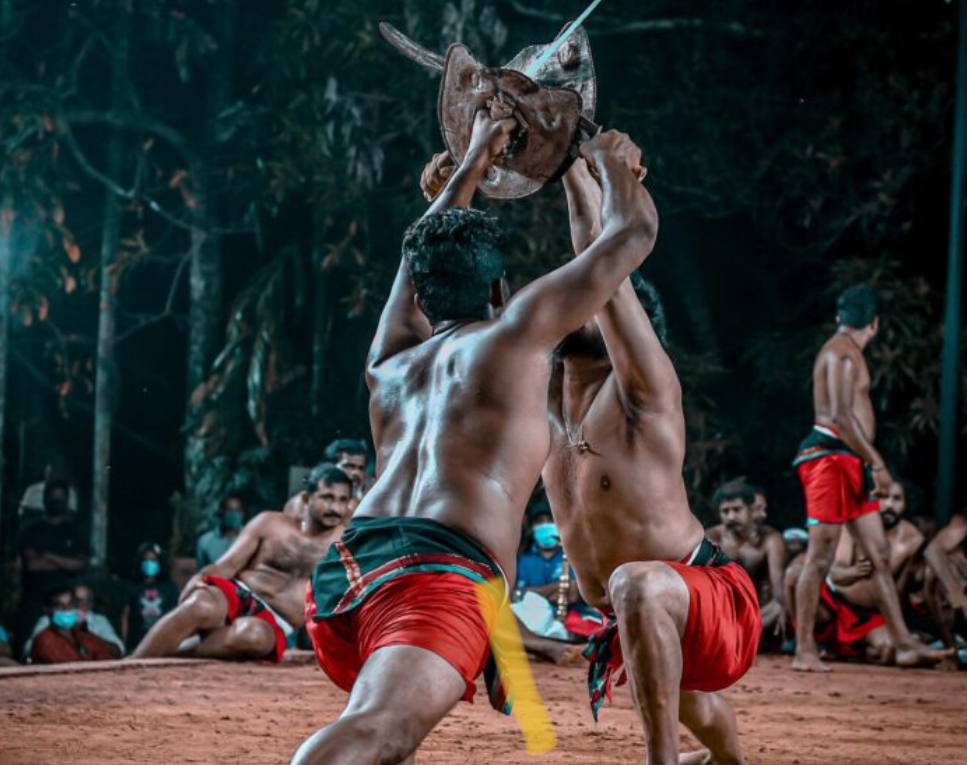
Ponniam, a village in Northern Kerala, prepares for Ponnyathankam, the world’s largest Kalaripayattu festival. Rooted in centuries-old duels, the seven-day spectacle celebrates the martial art’s heritage, its legendary warriors like Thacholi Othenan, and Kerala’s cultural pride. This year, the state government allocated Rs eight crores to preserve its legacy.
Once again, Ponniam, a village in Northern Kerala, is poised to host Ponnyathankam, the world’s largest Kalaripayattu festival. The seven-day celebration begins annually on Kumbam 9 of the Malayalam calendar, drawing thousands of spectators who gather to witness the breathtaking feats of martial artistry. The event is not merely a festival but a living testament to Kerala’s cultural heritage, where history, legend, and tradition converge in a spectacle of skill and spirit.
The Kerala government’s allocation of Rs eight crores in this year’s budget underscores the significance of Ponnyathankam. This investment is not only financial but symbolic, affirming the state’s commitment to preserving a martial tradition that has survived for over three millennia. Kalaripayattu, often referred to simply as Kalari, is recognised as the world’s oldest surviving martial art form. Its origins are believed to date back 3000 years, deeply intertwined with Kerala’s social and cultural fabric.
Kalari is not monolithic; it encompasses diverse styles such as Thekkan (Southern style) and Vadakkan (Northern style), each with regional variations in practice. The warriors trained in these traditions were admired for their extraordinary flexibility and mastery of specialised weapons. Importantly, Kalaripayattu transcended barriers of caste, religion, and gender, offering training to all who sought it. This inclusivity elevated its practitioners to a revered status in society, where they were not only fighters but custodians of discipline and honour.
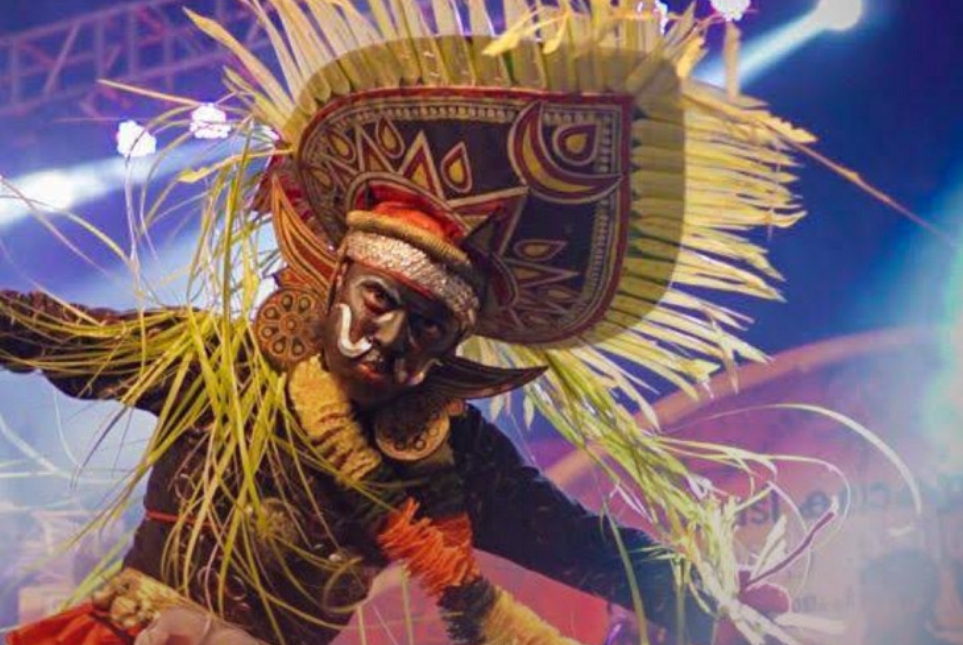
Among these warriors were the Chekavars, men of exceptional skill recruited by local rulers to represent them in disputes. Their duels, known as Ankams, were formalised contests fought in arenas called Ankathattu. These events were public spectacles, attended by rulers, courtiers, and villagers alike. The outcome was often fatal, with the defeated warrior’s death accepted as part of the ritual. Such duels were not merely battles of strength but demonstrations of loyalty, courage, and the martial code.
The 16th century gave rise to one of the most celebrated figures in this tradition: Thacholi Othenan. Born into the Manikkoth Kovilakath family near Vatakara, Othenan became immortalised in Kerala’s Vadakkan Pattukal, the ballads of the north. His exploits, alongside those of the Puthooram Veedu family, form the backbone of these oral traditions. Othenan’s reputation was not confined to his martial prowess; his humanitarian gestures earned him comparisons to Robin Hood, embodying both the warrior’s strength and the people’s champion.
Ponnyathankam itself derives its name from Ponniam, a village in the Kadirur panchayat of Kannur district. The venue’s historical resonance is inseparable from the legacy of Mathiloor Gurukkal, also known as Kadirur Gurukkal, a renowned Kalari teacher who trained thousands of students. Othenan himself was among his disciples, receiving his early training under Gurukkal’s guidance. Yet, history records a dramatic turn in their relationship, culminating in one of the most famous duels in Kerala’s martial lore.
The story unfolds during a festival at Lokanarkkavu temple, where a quarrel between Othenan and Gurukkal escalated into a challenge. The duel was scheduled for Kumbam 9, 10, and 11 at Ponniam Ezharakandam, a paddy field renowned for hosting Ankams. The ballads recall Ezharakandam as a place soaked in warrior blood, a reminder of the risks that awaited Othenan. His family, particularly his elder brother Koma Kurupp, implored him to withdraw, fearing defeat at the hands of the formidable Gurukkal. But Othenan, resolute in his honour, arrived at the appointed time.
The Ankam stretched over three days, a fierce contest of skill and endurance. Ultimately, Othenan triumphed, defeating and killing Gurukkal using a forbidden technique known as “Poozhi Kadakan.” This victory, though controversial, cemented his place in Kerala’s martial history. The duel at Ponniam Ezharakandam became more than a personal triumph; it transformed the venue into a historic stage for Kalaripayattu, a legacy that continues to echo through Ponnyathankam today.
The festival is not merely a re-enactment of past glories but a living bridge between history and modernity. For the people of Kerala, Ponnyathankam is both a cultural celebration and a reaffirmation of identity. The performances showcase the artistry of Kalari, where combat is elevated to choreography, and discipline becomes spectacle. The audience, a mammoth crowd of humanity, witnesses not only feats of agility and strength but also the endurance of a tradition that has resisted the erosion of time.
In contemporary Kerala, where modernity often jostles with tradition, Ponnyathankam stands as a reminder of the state’s unique heritage. The government’s support ensures that the festival remains vibrant, offering younger generations a chance to connect with their roots. For practitioners, it is an opportunity to demonstrate their skill and uphold the values of respect, discipline, and inclusivity that define Kalaripayattu. For spectators, it is a chance to immerse themselves in a cultural experience that is both thrilling and profound.
The legacy of Thacholi Othenan continues to inspire, his story woven into the fabric of Ponnyathankam. His duel with Gurukkal is not remembered merely as a fight but as a defining moment in Kerala’s martial tradition. The ballads that recount his deeds serve as cultural anchors, ensuring that his spirit endures in collective memory. In this way, Ponnyathankam is more than a festival; it is a narrative of resilience, honour, and heritage.
As Ponniam prepares once again for the spectacle, the echoes of history resound in its fields. The festival is a living archive, where the past is not relegated to memory but enacted in the present. Each performance, each display of skill, is a tribute to the warriors who came before, to the Chekavars who fought with courage, and to the Gurukkals who trained generations. Ponnyathankam is Kerala’s gift to the world, a celebration of the oldest martial art form, and a reminder that heritage, when nurtured, becomes timeless.
In the end, Ponnyathankam is not only about combat or spectacle. It is about identity, community, and continuity. It is about a village that becomes a stage, a people who become custodians, and a tradition that becomes eternal. As the crowds gather and the performances unfold, Ponniam once again becomes the beating heart of Kerala’s cultural pride, where history lives, and legacy thrives.
Discover more from Creative Brands
Subscribe to get the latest posts sent to your email.