


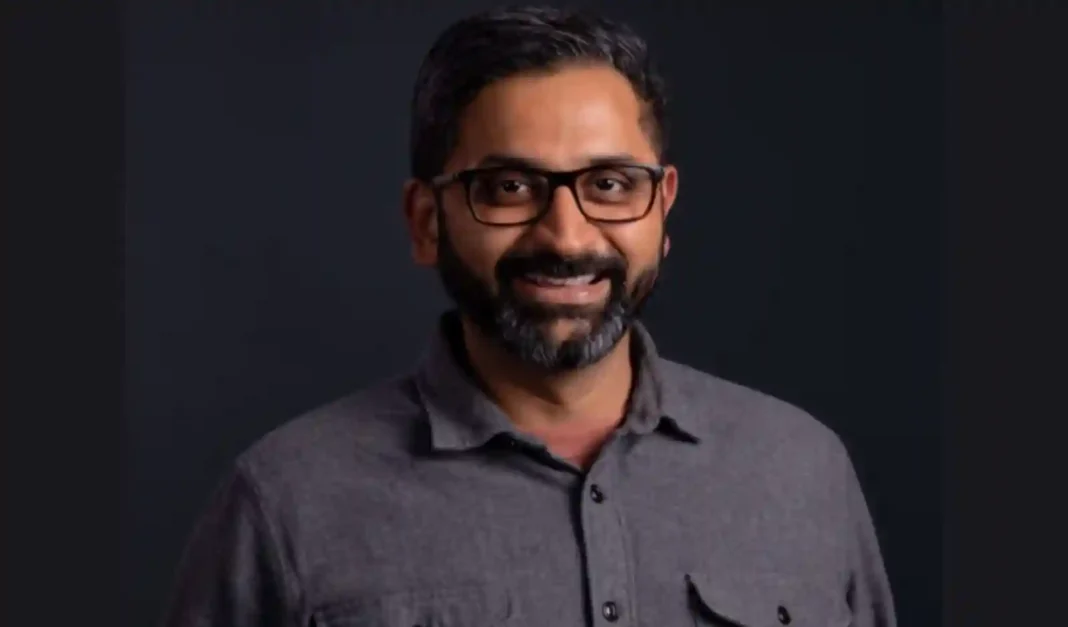
Uber has announced that longtime executive Balaji Krishnamurthy will succeed Prashanth Mahendra-Rajah as Chief Financial Officer. Mahendra-Rajah will remain as senior finance advisor to CEO Dara Khosrowshahi until July 2026. Krishnamurthy, currently Vice President of Strategic Finance, takes charge as Uber reports a 20% quarterly revenue jump to $14.4 billion.
Uber is entering a new chapter in its financial leadership as Balaji Krishnamurthy, a seasoned executive within the company, prepares to take over the role of Chief Financial Officer. The announcement comes at a time when the ride-hailing giant is enjoying robust financial momentum, with its latest quarterly results showing a 20 percent revenue surge to $14.4 billion. The leadership transition underscores Uber’s intent to build on its recent successes while ensuring continuity in its financial strategy.
Prashanth Mahendra-Rajah, who has served as Uber’s CFO, will step aside from the role but continue to lend his expertise as a senior finance advisor to Chief Executive Officer Dara Khosrowshahi until July 1, 2026. His extended advisory role suggests a carefully managed handover, designed to maintain stability and provide strategic guidance during a period of growth and transformation for the company.
Krishnamurthy’s appointment reflects Uber’s preference for leaders who have deep institutional knowledge and proven track records within the organisation. Having joined Uber in 2019, he has steadily risen through the ranks, most recently serving as Vice President of Strategic Finance. Between 2020 and 2023, he led Uber’s investor relations, a role that placed him at the intersection of financial performance and market perception. His ability to communicate Uber’s vision and results to investors during a period of pandemic-driven volatility and recovery has been widely noted, and his promotion to CFO is seen as a natural progression.
The timing of this leadership change is significant. Uber’s latest earnings report highlights not only strong revenue growth but also a broader narrative of resilience and adaptability. The company has navigated challenges ranging from regulatory scrutiny to shifting consumer behaviour, and its ability to deliver consistent financial performance has reassured investors. A 20 percent quarter-on-quarter revenue increase is a striking figure, pointing to both the recovery of mobility services and the expansion of Uber’s delivery and freight businesses.
Krishnamurthy’s background positions him well to steer Uber’s financial strategy in this environment. His tenure in investor relations demonstrated his skill in balancing transparency with strategic messaging, while his current role in strategic finance has given him direct oversight of long-term planning and capital allocation. As CFO, he will be tasked with ensuring that Uber’s growth trajectory is matched by disciplined financial management, particularly as the company continues to invest in technology, sustainability, and global expansion.
For Mahendra-Rajah, the transition marks the end of a chapter but not a departure from Uber’s story. His decision to remain as a senior advisor until mid-2026 provides Uber with continuity and access to his experience. Having guided Uber’s financial operations through a period of significant growth, his advisory role will likely focus on mentoring, strategic oversight, and ensuring that Krishnamurthy’s transition is seamless.
The CFO role at Uber is not merely about managing numbers; it is central to shaping the company’s narrative in the eyes of investors, regulators, and the public. Uber’s financial leadership has often been called upon to articulate the balance between growth and profitability, particularly in a sector where competition is fierce and innovation is constant. Krishnamurthy’s appointment signals Uber’s confidence in his ability to strike that balance, leveraging his institutional knowledge and strategic acumen.
Industry observers note that Uber’s decision to elevate an internal candidate rather than bring in an outsider reflects a broader trend in corporate governance. Companies facing complex challenges often prefer leaders who understand the organisation’s culture, history, and strategic priorities. Krishnamurthy’s journey within Uber exemplifies this approach, and his promotion is likely to be welcomed by employees and investors alike.
The financial results accompanying this announcement add weight to the narrative. A 20 percent revenue jump quarter-on-quarter is not only a testament to Uber’s operational strength but also a signal of its ability to capture demand across multiple verticals. Mobility services have rebounded strongly, delivery continues to be a growth engine, and freight operations are expanding. For Krishnamurthy, the challenge will be to sustain this momentum while navigating the complexities of global markets, regulatory landscapes, and technological disruption.
As Uber looks ahead, the CFO transition is emblematic of its broader strategy: continuity, resilience, and growth. Krishnamurthy’s appointment ensures that the company’s financial leadership remains rooted in experience and institutional knowledge, while Mahendra-Rajah’s advisory role provides a bridge of stability. Together, they represent a dual approach—fresh leadership combined with seasoned oversight—that could serve Uber well in the years to come.
The announcement also highlights the importance of leadership succession planning in large organisations. By signalling the transition early and ensuring a multi-year advisory role for the outgoing CFO, Uber has demonstrated a commitment to stability and foresight. For investors, this reduces uncertainty and reinforces confidence in the company’s governance.
Ultimately, Uber’s decision to appoint Balaji Krishnamurthy as CFO is more than a personnel change; it is a statement of intent. It reflects the company’s belief in its internal talent, its confidence in its financial trajectory, and its readiness to embrace the next phase of growth. With revenue climbing and leadership transitions carefully managed, Uber is positioning itself not just to ride the wave of recovery but to shape the future of mobility and delivery services worldwide.
Discover more from Creative Brands
Subscribe to get the latest posts sent to your email.