


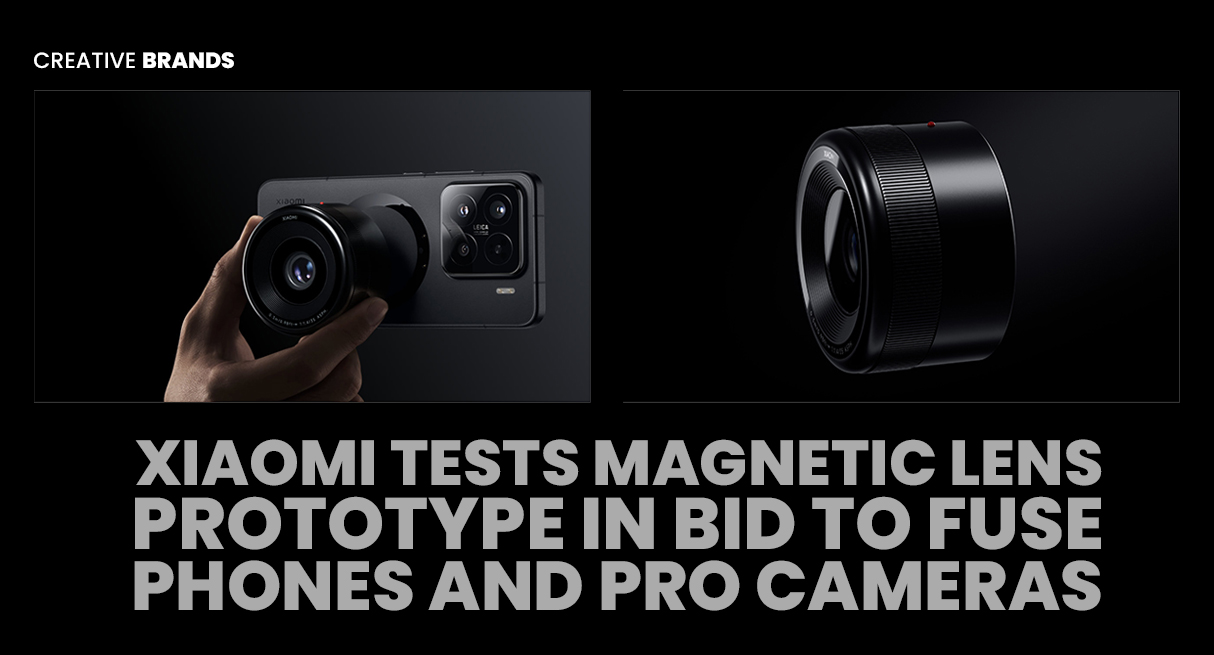
Xiaomi has revealed a prototype smartphone that snaps onto a professional camera lens using magnetic mounts, blending optical hardware with AI processing. The concept arrives amid falling standalone camera sales and smartphone imaging advances. Supporters see overdue innovation, while critics doubt detachable lenses will gain mainstream traction after past attempts failed.
Xiaomi is reimagining the future of smartphone imaging with an experimental prototype that clips a professional camera lens onto a handset using magnetic mounts—a striking attempt to merge the optics of traditional cameras with the computational power of mobile photography. The device aims to offer the tactile precision and depth-of-field control demanded by enthusiasts, paired with AI-driven processing that has rapidly become the backbone of modern smartphone cameras.
The announcement comes at a time when the global camera market faces steady contraction. Once a mainstream consumer staple, standalone shooters have been largely displaced by increasingly capable smartphone systems that can perform scene optimisation, stabilisation and post-capture enhancement in milliseconds. For many younger users, the phone has become not only camera but editor, photo library and publication tool rolled into one. Xiaomi’s prototype appears positioned to capitalise on that behavioural shift by promising DSLR-style imagery without requiring an entire bag of gear.
Yet the concept is far from uncontroversial. Detachable lens systems have surfaced several times over the past decade—from clip-ons to modular lens mounts—and while they generated bursts of attention, none meaningfully changed how people shoot or share images. Critics argue that consumers prefer simplicity, and every added accessory increases friction. A magnetic mount might feel cleaner than brackets and screws of previous eras, but the underlying problem remains: will people carry extra lenses? Will creators already invested in mirrorless ecosystems switch to a phone-first workflow?
Supporters see it differently, describing Xiaomi’s move as a long-overdue reconciliation between optics and algorithms. Computational photography thrives when fed with high-quality light information, and traditional lenses still outperform phone modules in focal range and optical character. Marrying that glass with neural image processing could open up creative possibilities that neither category has delivered alone. For professional and semi-professional shooters accustomed to editing large RAW files, the appeal of instant smartphone integration—straight to apps, cloud backups or social platforms—could be compelling.
For now, the device remains a prototype, and Xiaomi has offered no commercial timeline. The company has a history of boundary-pushing hardware concepts that showcase engineering capability, even if they never reach mass production. Analysts say the unveiling may be as much a strategic signal as a product roadmap: a way of positioning the brand at the forefront of AI imaging at a moment when rivals are racing to redefine the smartphone camera.
Whether this becomes the next breakthrough or simply another intriguing experiment will likely depend on more than optics. Price, ecosystem support, lens compatibility, and real-world usability will determine if the prototype evolves beyond niche appeal. With hardware and software innovation accelerating—and with AI now shaping everything from autofocus to photo retouching—the line between camera and computer is already blurry. Xiaomi’s latest idea suggests that the line may soon bend even further, challenging the industry to imagine what a camera should be in an era where the phone has already won the mainstream.
Discover more from Creative Brands Mag
Subscribe to get the latest posts sent to your email.
















Leave a comment