


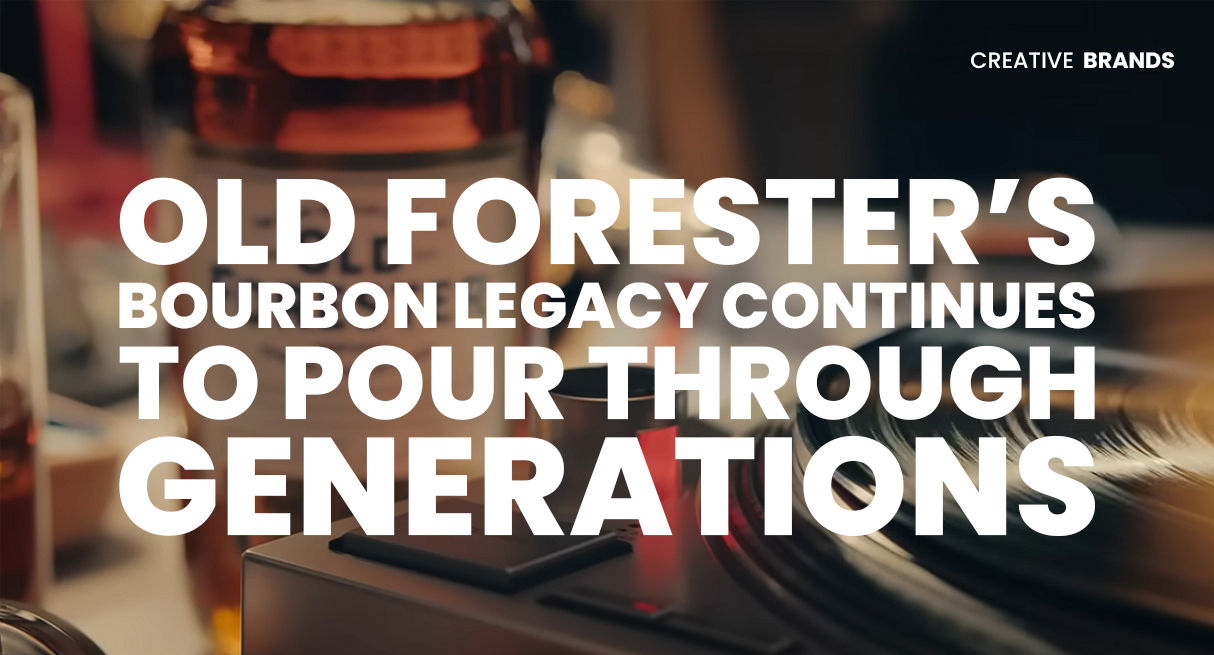
Since 1870, Old Forester has delivered a rich, smooth bourbon that has endured without reinvention. Versatile in cocktails or sipped neat, it bridges history and contemporary drinking culture with quiet confidence. With authentic flavour and timeless appeal, Old Forester proves that true quality never ages—and never goes out of style.
Old Forester has long occupied a rare place in American spirits culture: both a time capsule and a living brand that never had to reinvent itself to stay relevant. For more than 150 years, it has built its legend not through theatrical reinventions or fleeting flavor trends, but through the quiet confidence of a bourbon that knows exactly what it is. “History you can almost taste” is more than a romantic tagline—it is a truth that has followed the whiskey through wars, cultural renaissances, cocktail revolutions, and the modern era’s renewed fascination with heritage drinking.
Founded in 1870, Old Forester holds the distinction of being America’s first bottled bourbon, created at a time when liquor was still frequently dispensed from barrels of questionable quality and even more questionable authenticity. Sealed glass bottles—bearing quality assurances and the founder’s signature—were a radical promise to consumers that what they were buying was consistent, pure, and genuinely bourbon. In a marketplace often defined by opacity, Old Forester was one of the earliest spirits to bet on transparency.
One of the brand’s greatest advantages is that the taste itself has never required elaborate explanation. While many contemporary distillers chase novelty expressions or seasonal narratives, Old Forester remains resolutely anchored in a flavour profile that is rich, full, and smooth—an equilibrium that bourbon drinkers tend to seek out subconsciously, even as trends come and go. Its sweetness arrives slowly, its spice lands confidently but without aggression, and the oak—often the make-or-break note in a bourbon—manages to stay firm without overpowering. It is the kind of whiskey that tastes like it has already been lived in before the first sip.
This confidence carries through to the ways people drink it. In recent years, the bourbon renaissance has split enthusiasts into multiple camps: those who chase rare releases for collecting, those who obsess over mixology, and those who opt for simplicity in ritual—neat pours after long days, casual rocks glasses over conversation. Old Forester moves among these worlds easily. Its structure remains unmistakable whether poured undiluted, tempered by melting ice, or twirled into the amber center of a classic Old Fashioned. For bartenders, that versatility is invaluable. For drinkers, it means a single bottle can play many roles, all without compromising its identity.
Perhaps the most surprising part of Old Forester’s story is how unforced its longevity feels. The brand has not needed nostalgia to justify its presence; the bourbon simply remained good, and the world eventually cycled back to an appreciation for things made with patience. As younger drinkers rediscovered the cocktail canon, Old Forester was already waiting there in the recipes—quietly built into the DNA of American bar culture through decades of use. The Old Fashioned, in particular, has served as both ambassador and stage for the whiskey’s staying power. Simpler than many modern concoctions, the drink leaves nowhere to hide. A weak spirit collapses beneath bitters and sugar. Old Forester, by contrast, stands up straight, lending depth and warmth without muting the other ingredients.
That durability has become part of its charm. Bourbon marketing in the 21st century often leans on elaborate storytelling: hidden rickhouses, revived family recipes, frontier lore, or ghostly master distillers whispering across eras. Old Forester doesn’t have to invent mystique. It simply has age—and the legitimacy that accompanies it. When a bourbon has existed continuously since 1870, through Prohibition and beyond, its history becomes self-evident.
In an industry where what’s “new” often eclipses what’s genuinely well-made, Old Forester offers a reminder that refinement is not always synonymous with reinvention. Sometimes a product endures not because it evolves, but because the world evolves toward it. One might argue the current whiskey moment—where craft matters, truth matters, and flavour outranks flash—was built for a brand like this.
More than a century and a half after its first bottled expression, Old Forester remains a bourbon that invites drinkers to choose their own pace. It can accompany slow evenings or celebratory nights, solitary reflection or noisy camaraderie. It is as comfortable in a crystal tumbler as in an everyday bar glass. And like any good piece of American heritage, it has gathered stories along the way—some recorded, others whispered between friends as ice cubes clink.
For all its accolades and historical footnotes, the most compelling endorsement is the simplest: Old Forester never gets old.
Discover more from Creative Brands Mag
Subscribe to get the latest posts sent to your email.












Leave a comment